As Aum cultists are hanged, Japan asks if it still needs the death penalty. For most, the answer remains clear
The recent executions of 13 Aum Shumrikyo cultists stirred a debate and some condemnation – but a large majority of Japanese still appear to support capital punishment

The execution of the last members of the Aum Shinrikyo cult on death row last week has triggered debate in Japan over the use of the death penalty, with the left-leaning Asahi newspaper demanding that Tokyo follow the lead of European nations and abolish hanging and author Haruki Murakami weighing in on the discussion.
The vast majority of Japanese people, however, appear to be solidly behind the death penalty for those convicted of serious crimes, such as the sarin gas attack that Aum members carried out on the Tokyo subway system in March 1995.
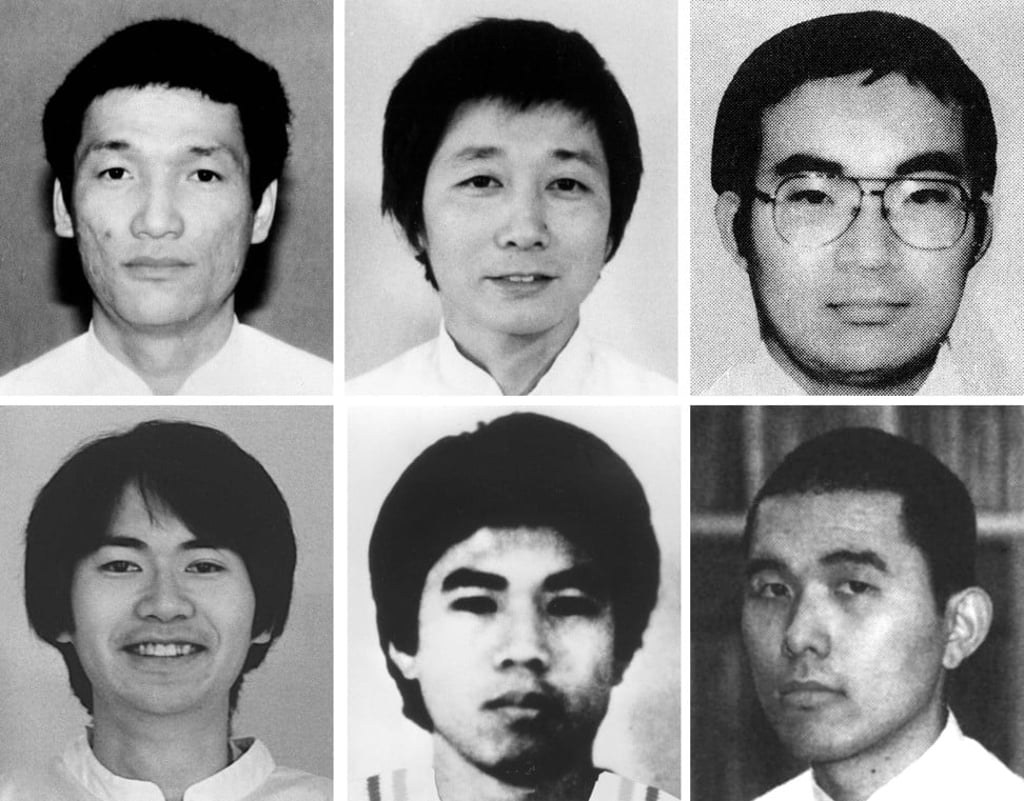
“The news has come as a fresh reminder of how Japan has been left far behind in the global trend concerning the issue,” the editorial stated, repeating the joint statement issued by the European Union on July 26, in which it called for a moratorium on the death penalty because it is “cruel and inhuman and fails to act as a deterrent to crime.”
A spokesman for Amnesty International said “The taking of a life in retribution is never the answer.
“It is high time for the Japanese authorities to establish an immediate moratorium on all executions and promote an informed debate on the death penalty as first steps towards its abolition.”
Murakami, who interviewed dozens of survivors of the sarin attack and relatives of those who died for his book Underground, wrote in an editorial for the Mainichi newspaper that he is opposed to the death penalty because it is wrong for the state to kill and there are numerous documented case of wrongful convictions.