Death of anti-US base icon puts race for replacement up in the air
Sudden death of Okinawa governor has made predicting the outcome of next gubernatorial election more difficult and could be opportunity the government has been looking for to install someone who supports Tokyo’s plans

The sudden death of Okinawa governor Takeshi Onaga on August 8 has made predicting the outcome of the next gubernatorial election far more difficult, say analysts, and could be the opportunity the national government has been looking for to install someone who supports Tokyo’s plans for the expansion of the US marine base at Henoko.
For four years, Onaga frustrated the government at every turn and delayed plans drawn up by Washington and Tokyo to move US military assets in Japan. That earned the governor, who died at 67, many enemies.
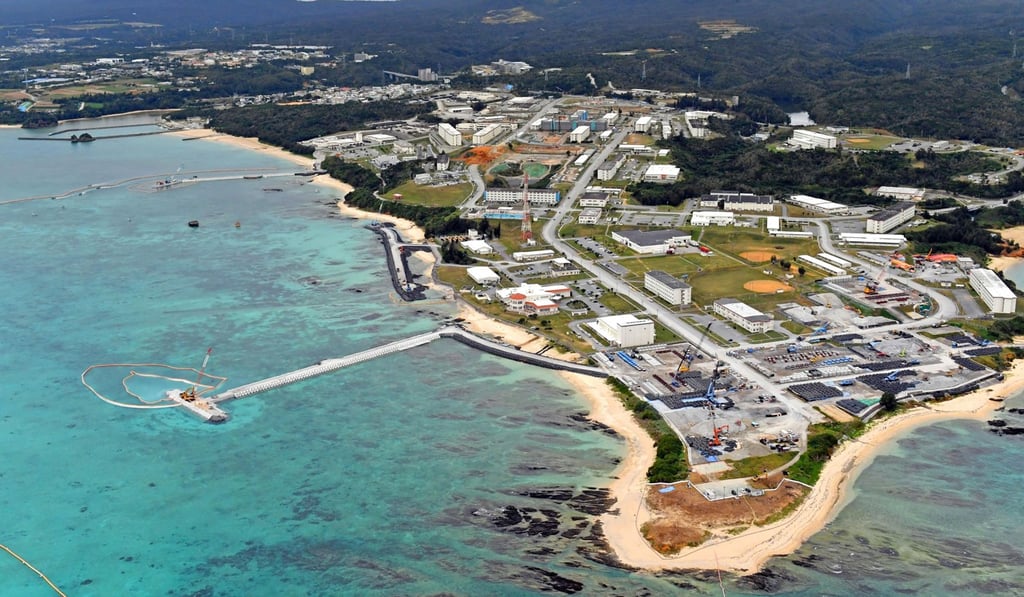
Before his election in December 2014, Onaga made clear his opposition to plans to move the US marines from their present facility at Futenma Air Station, in the heavily populated central part of the prefecture, to Camp Schwab at Henoko. In office he was no less willing to compromise on the question of US troops stationed on Okinawa and made it clear that he wanted the marines from Futenma moved to mainland Japan rather than shuffled elsewhere in the prefecture.
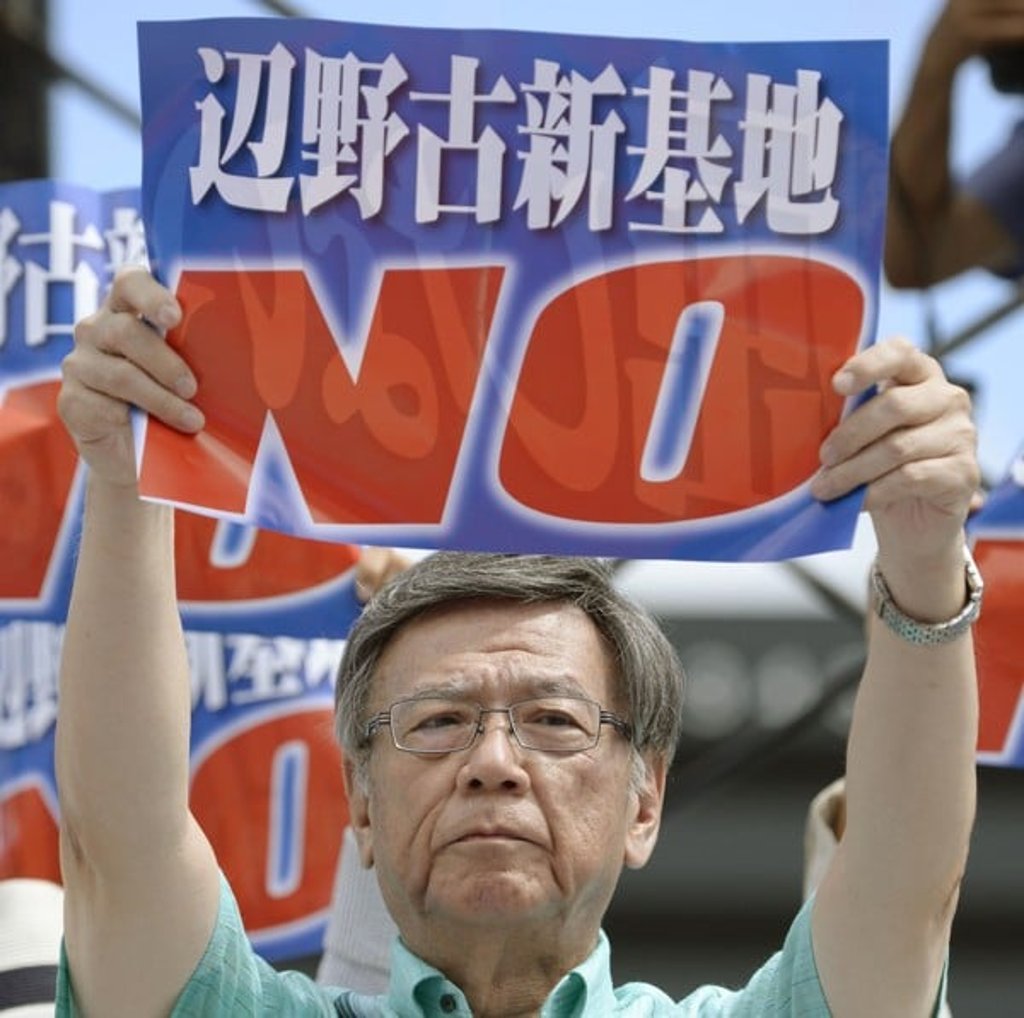
Now that Onaga has gone, however, the question turns to which side in the bitterly contested fight over the US troops will benefit most in the election, which has been brought forward from November to late September.
“On the one hand, the government and the ruling Liberal Democratic Party are well organised, know how to campaign and are well funded,” said Jeff Kingston, director of Asian Studies at the Tokyo campus of Temple University. “That gives them a significant advantage, particularly if their political allies Komeito also lend their support. Also, it appears that young people in Japan in general, and including in Okinawa, are a bit more conservative in their voting habits and the government’s candidate may benefit all the young people who were recently granted the vote when the age limit was reduced to 18.”