Water at Fukushima nuclear plant still radioactive even after treatment
Government wants to dump the contaminated water into the sea, but locals and fishermen oppose the idea

Radioactive substances have not been removed from treated but still tritium-containing water at the crippled Fukushima Daiichi nuclear power plant.
The government and Tokyo Electric Power Company have faced the pressing need to dispose of such treated water now kept in tanks. One option is to dump it into the sea, as tritium is said to pose little risk to human health.
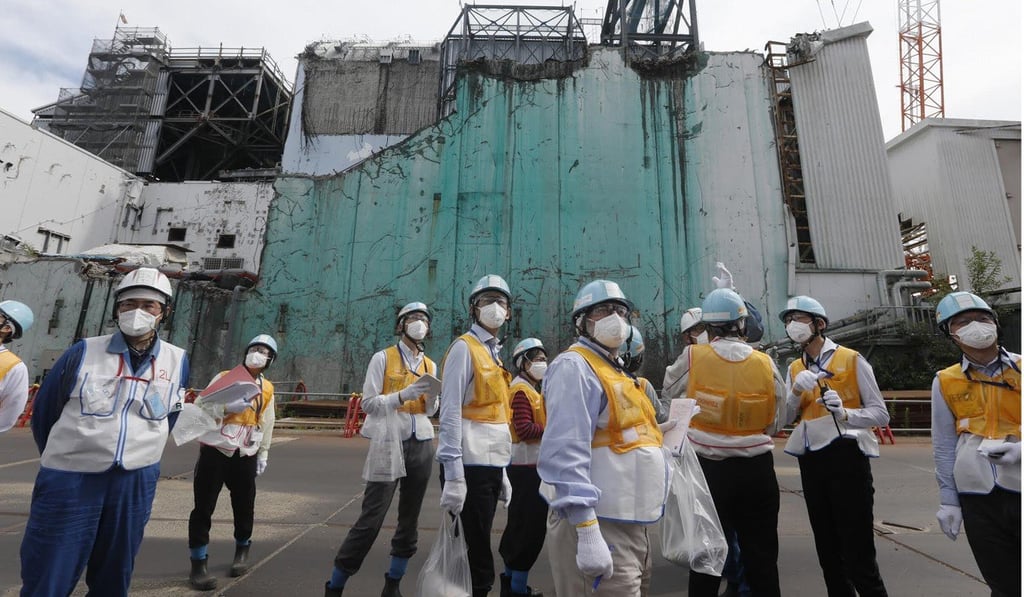
If the plan goes ahead, tritium-tainted water from the nuclear plant is expected to be diluted so it is likely to lower the levels of other radioactive materials as well before being discharged.
But locals and fishermen are worried about the water discharge and a government panel debating how to deal with it has mainly focused on tritium, not other radioactive substances.
According to Tepco, a maximum 62.2 becquerels per litre of lodine 129, far higher than the 9 becquerel legal limit, was found in the water filtered by the Advanced Liquid Processing System used to remove various types of radioactive materials.
Lodine 129 has a half-life of 15.7 million years.