Promised a ‘paradise’ in North Korea, Japanese returnees are suing over the lies
A socialist utopia awaits, they were told in the early 1960s, and your every need – work, home, clothes, health care – will be guaranteed by the state

Hiroko Sakakibara was only a young girl when the North Korean agents came to her father’s house trying to sell him on a dream of earthly paradise in the family’s ancestral land.
A socialist utopia awaits, they were told in the early 1960s. Your every need – work, home, clothes, health care – will be guaranteed by the state.
“I was small so I couldn’t join the conversation, but I could hear them talking,” she said. “I told my father, ‘Let’s go, let’s go.’ ”
In all, more than 93,000 people – mostly ethnic Koreans whose Japanese citizenship was stripped after World War II – left Japan between 1959 and 1984, lured by the promise of a new life in the Democratic People’s Republic of Korea during the heart of the cold war. The ethnic Koreans, known in Japan as Zainichi, were joined by a few thousand Japanese spouses and children.
Instead, they say they encountered discrimination, desperate poverty and a complete denial of basic freedoms.
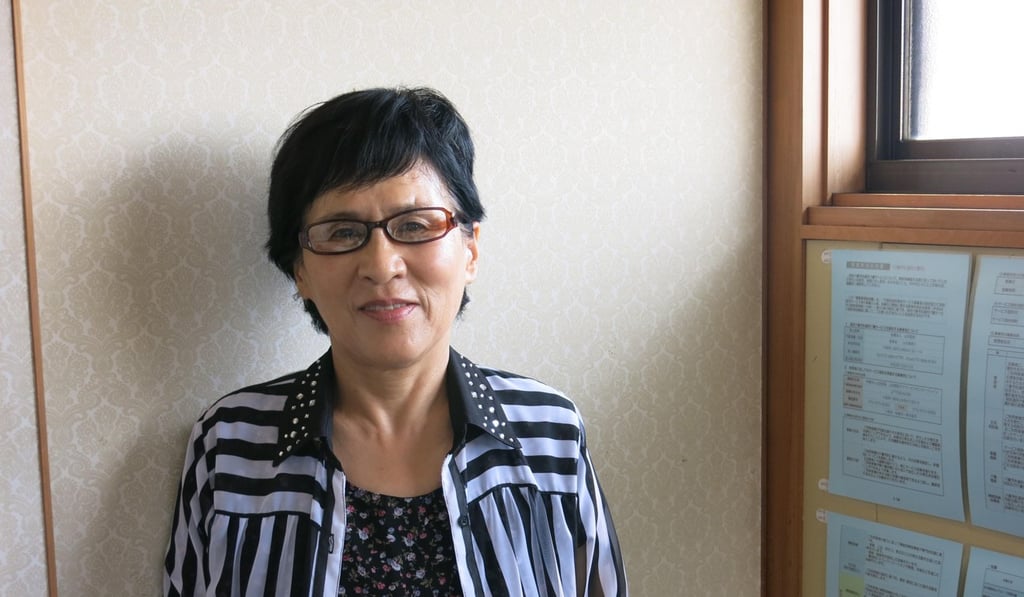
Now, five Zainichi who spent decades in North Korea before finally escaping to Japan, are pursuing legal action against the North Korea government in a Japanese court, seeking damages for the lies they were told and mistreatment they suffered.