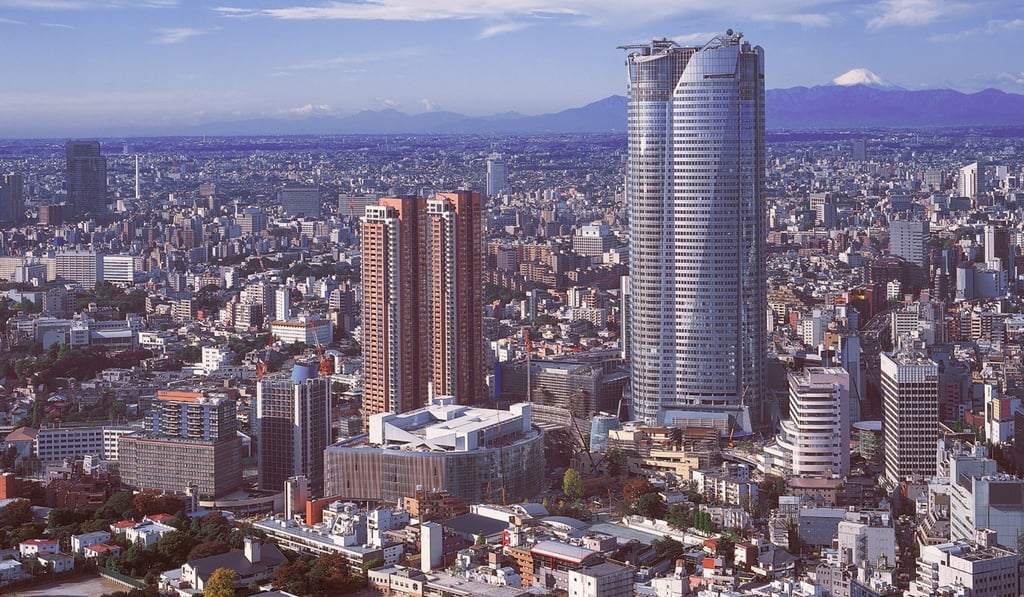
Don’t worry. 634m Tokyo Skytree is earthquake proof. Maybe
- Company that quake-proofed more than 1,000 buildings – including two Olympic venues – admits falsifying tests and using cheap equipment
- Japanese government swoops in with assurances that everything’s okay – prompting some to draw parallels to 2011 Fukushima nuclear disaster

But an awful lot of people do not trust that declaration.
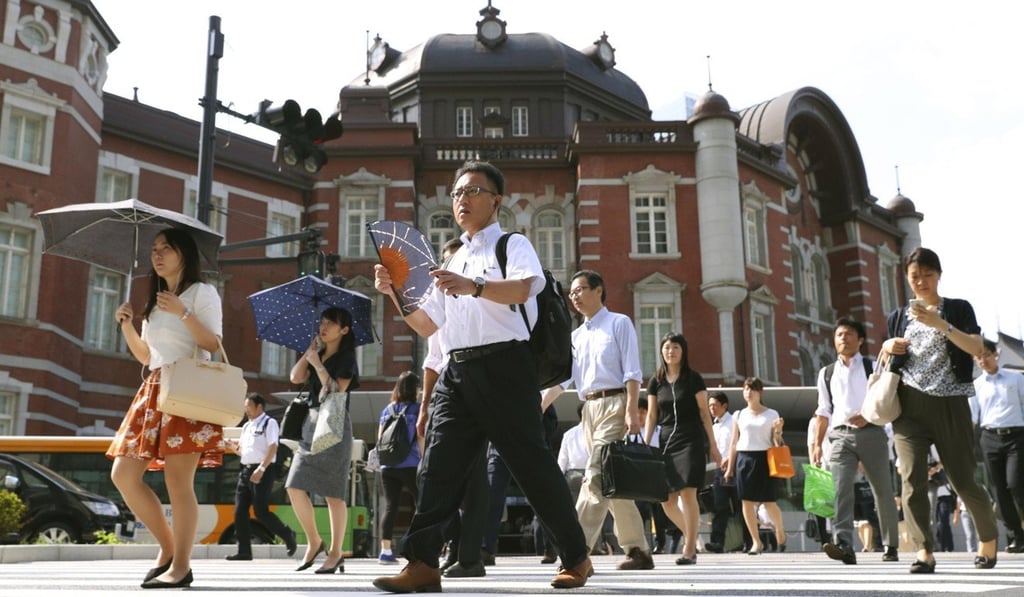
The infrastructure ministry said last week there was “no chance” that some of Japan’s most iconic buildings – which also include Tokyo Station, the Roppongi Hills Mori Tower and hospital, university and local government properties – would collapse after KYB Corporation admitted the previous day that it had been falsifying quality inspection data for seismic shock absorbers since March 2000.
Incorporated into the structures of buildings, the equipment is designed to absorb and control the impact of earthquakes, to which Japan is notoriously prone. KYB controls around 40 per cent of the Japanese market for some types of shock absorbers and vibration dampers and the ministry believes that 7,550 absorbers at 903 structures and 3,378 dampers at a further 83 sites fall short of government standards. For now, the scandal appears limited to the domestic market, though a company official confirmed to the South China Morning Post that equipment had been installed in at least one building in Taiwan.