Lawsuit over wartime brothels spotlights Japan’s struggle to come to terms with its past
- Conservatives argue so-called ‘comfort women’ volunteered to be prostitutes, while liberals describe the practice as sexual slavery

A Japanese journalist has defended her view that Korean women who were sent to wartime military brothels were not sex slaves, and accused a liberal-leaning newspaper of fabrication.
One of the newspaper’s reporters said a day earlier that the journalist’s comments triggered threats against him and had interfered with the settlement of the issue between Japan and South Korea.
Their public row — a defamation suit by reporter Takashi Uemura against journalist Yoshiko Sakurai — highlights Japan’s struggle to come to terms with its wartime atrocities more than 70 years after the second world war.
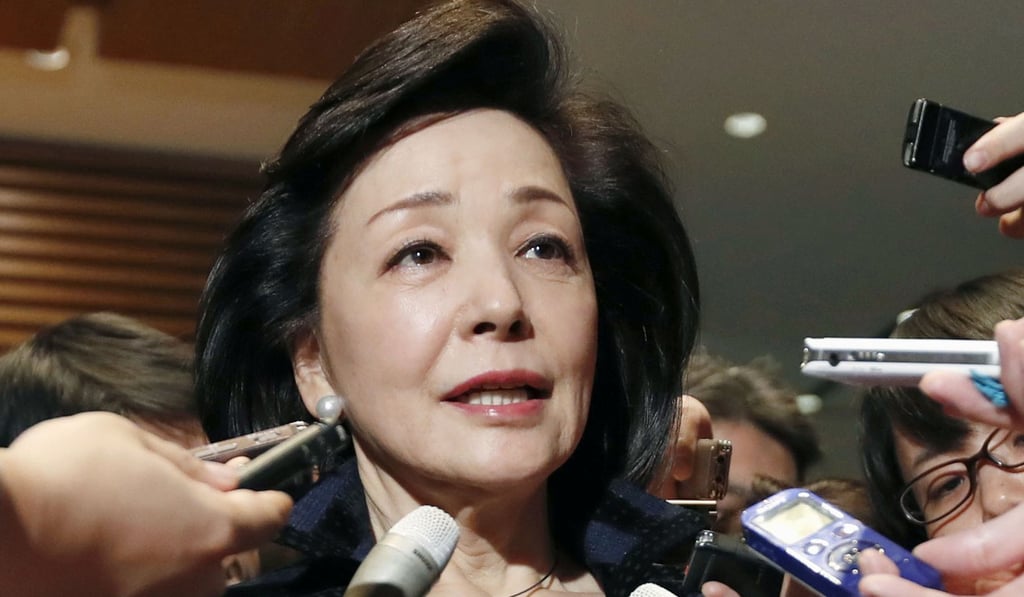
The two represent the divide. The conservatives hold the Asahi newspaper, where Uemura used to work, responsible for spreading the impression that all so-called “comfort women” were coerced. Liberals say evidence, including court documents and accounts of the women, shows many people were forced into sexual slavery.
Sakurai told a news conference on Friday that she sympathises with comfort women despite their being “prostitutes” but that “I still think the Asahi and Mr Uemura should be held accountable” for hurting Japan’s image. She said Japan cannot have a unified view of its wartime history because of what she called media bias.
The former newsreader at Nippon Television spearheads the view of Japanese nationalists that comfort women were voluntary prostitutes, and that Japan has been unfairly criticised for a practice they say is common in any country at war.