South Korea forms task force to delve deeper into Supreme Court rulings on wartime forced labour by Japan
- The move comes amid a deepening diplomatic row between the two countries over the contentious issue, which Japan argues has already been resolved

South Korea’s government has formed an inter-agency task force to look into Supreme Court rulings on Japanese wartime forced labour issues, a Foreign Ministry official said on Tuesday.
The move comes amid a diplomatic row with Japan over the rulings.
The task force, which includes the foreign, justice and interior ministries, will scrutinise legal issues related to the rulings while also taking into account South Korean public opinion and the country’s ties with Japan, the official told reporters on condition of anonymity and without elaborating.
The Supreme Court ordered major Japanese manufacturer Mitsubishi Heavy Industries to compensate two groups of South Koreans over wartime forced labour last Thursday, in a move that Japan’s Foreign Minister Taro Kono decried as “extremely regrettable.”
Japan takes the position that the issue has been settled under a bilateral accord attached to a 1965 treaty that established diplomatic ties between the two countries. The accord stipulates that issues relating to property and claims between the two countries and their peoples have been settled “completely and finally.”
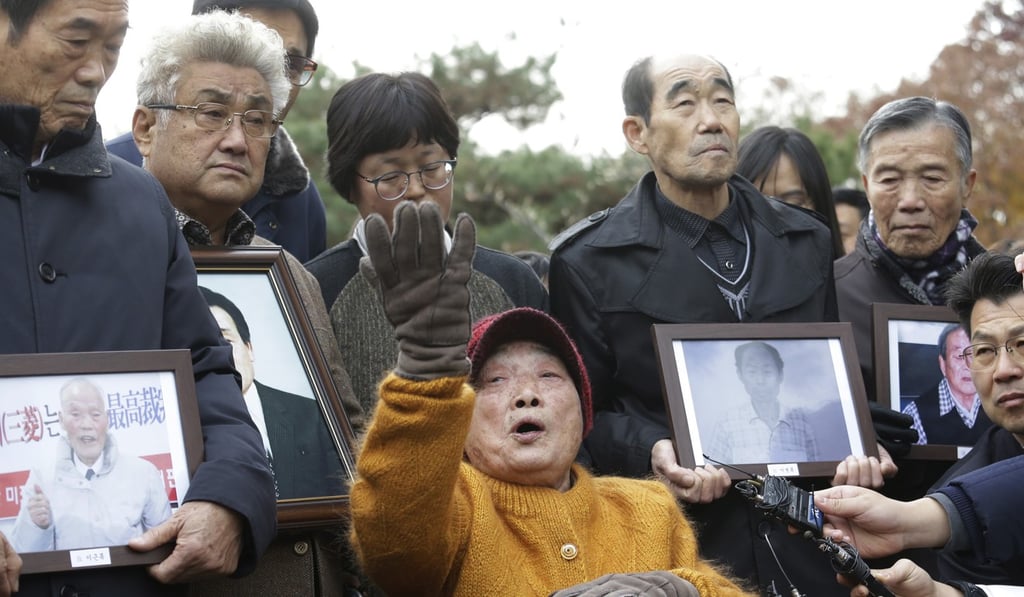
In October, South Korea’s top court also ruled against Nippon Steel & Sumitomo Metal, saying that the right of forced mobilisation victims to seek compensation was not terminated by the accord as it was predicated on Japan’s 1910-1945 “illegal” colonial rule of the Korean peninsula.