Japan’s ageing population: how two neighbouring towns illustrate demographic challenges
- In Sakura, the ageing population is dropping every year, as the city struggles to attract new businesses
- But in Inzai, the next town over, new developments have brought in young families

Katsuya Kodama’s wife died two years ago, and the 77-year-old keeps her ashes on a Buddhist altar in their suburban Tokyo home.
“I talk to her morning and night, tell her everything,” he said. “I sit on the chair she used in the bath while ill. Sitting where she sat makes me feel close to her.”
That sense of loss cuts through Sakura, including the Sennari district where Kodama moved 30 years ago. Back then, it was filled with young families; now, nearly half of Sennari’s residents are over 65 and the population of Sakura, a city of 175,000, is falling by about 400 a year.
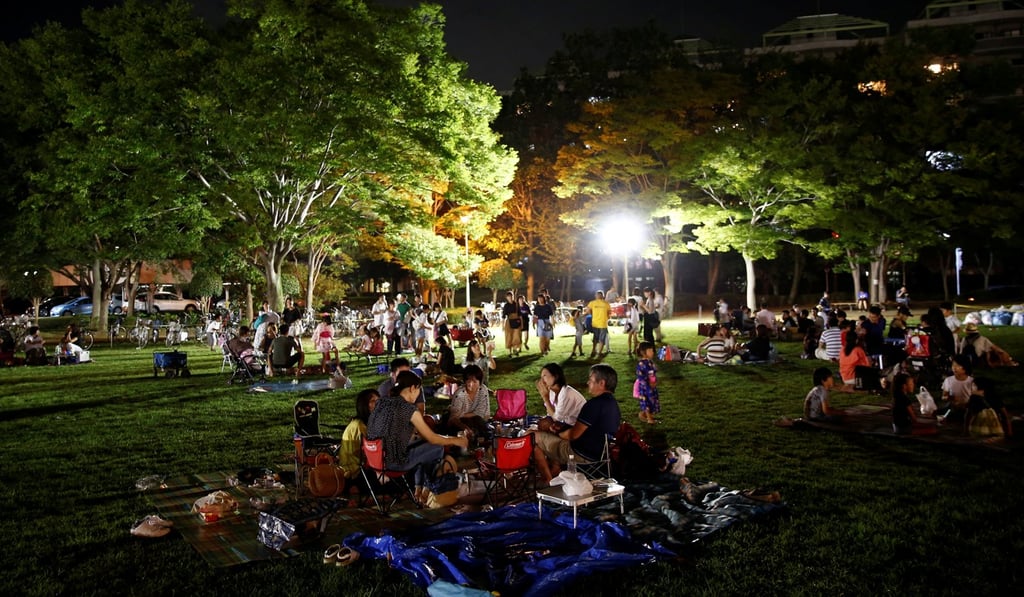
The next town over is the more youthful Inzai, where life is much different. Only about 21 per cent of its population of 100,600 is older than 65 – 12 per cent below Sakura as a whole and almost 7 per cent below the national average – and it is buzzing with new development.
Like Sakura, Inzai lies within commuting distance of Tokyo, roughly an hour west by train, and Narita airport, about 40 minutes east. Both cities sprawl across a mix of developed and open land, prime for growth. But the demographics of the two cities underline their divergent fortunes.
When I walk around, there’s a bunch of abandoned houses. It’d be nice if somebody lived in them