How Pyongyang is taking advantage of rift between Tokyo and Seoul to dodge kidnapping inquiries
- Tokyo has long sought the truth over the fate of citizens it believes were abducted by Pyongyang in the 1970s and 80s
- What about the ‘more than 8.4 million Koreans who were forced to work’ under Japanese colonial rule, asks North Korea’s foreign minister

North Korea is seeking to curry favour with South Korea, claiming common cause by seizing on the issue of forced labour under Japanese rule before and during the second world war, according to experts in Japan. In doing so, Pyongyang may also seek to mitigate its own conduct: specifically, the abduction of Japanese nationals by Pyongyang’s agents.
Academics and human rights activists have accused North Korea of attempting to influence South Korean public opinion and government policy by portraying Japan – which has been a long-standing security and economic ally of Seoul – as a shared historical enemy.
Japanese media have reported North Korean Foreign Minister Ri Yong-ho told a Mongolian diplomat in mid-December to pass a message on to Taro Kono, his Japanese counterpart. The message was that Pyongyang would have “no choice” but to raise the matter of forced labour during Japan’s occupation of the Korean peninsula during any future diplomatic discussions should Tokyo demand information on the fate of Japanese nationals abducted in the 1970s and 1980s.
The threat is that Pyongyang could follow Seoul’s lead and use legal measures to obtain compensation for its citizens or their descendants who were used as forced labour by Japanese companies. Pyongyang does not have the leverage of being able to seize Japanese firms’ assets in the North but any such legal rulings could further complicate Tokyo’s efforts to discover the fate of its missing citizens. The Japanese government lists eight men and nine women it believes were kidnapped by agents from the North in the 1970s and 1980s.
Pyongyang admitted to abducting 13 of these people in an apology issued in 2002. Five were subsequently returned to Japan. Pyongyang claimed the rest had died or never set foot inside the country.
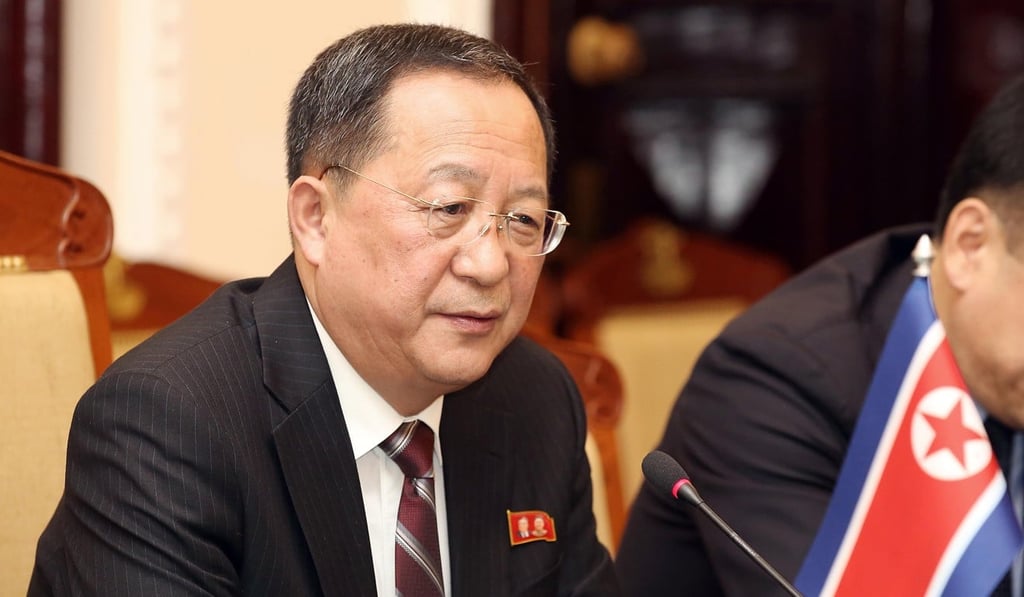
Tokyo has refused to accept this explanation, as have the country’s human rights groups, which count the number of abductees at about 100. Japanese Prime Minister Shinzo Abe maintains the abduction are a major diplomatic issue. But if Japan attempts to pursue it in any future negotiations, the North is ready to hit back with the claim “more than 8.4 million Koreans who were forced to work” under Japanese colonial rule. That could in turn form the basis for a massive compensation claim against Japan.
Pyongyang’s manoeuvring may have been encouraged by rulings by a number of courts in South Korea opening the door to former forced labourers and their descendants to sue the Japanese companies they worked for to obtain compensation.