How South Korea’s #MeToo generation fights sexual abuse in schools
- Students at dozens of schools across the country have taken to social media and other public forums to speak out about sexual abuse by teachers

When students reported that a male teacher at the private Yonghwa Girls High School in Seoul was touching them inappropriately, they were ignored.
So they came up with their own defences: Block your chest with a textbook. Wear gym pants under your skirt. That was six years ago.
The response was far different last March when recent graduates joined current students in publicly calling out sexual abuse and harassment at the school. Their complaints went viral on social media, and this time, authorities listened. The teacher was fired.
“It was unbearable to think he would continue teaching,” said Sophie Park, now 23, who last year accused the teacher of sexually assaulting her in 2012. “It seemed like if it wasn’t now, we’ll never be heard.”
The #MeToo movement, which arrived in deeply patriarchal South Korea early last year, has triggered a groundswell of activism among girls and young women, giving rise to a new generation of feminists and leading to a dramatic shift in the culture of schools.
Over the last 10 months, students at more than 65 schools across the country have taken to social media and other public forums to speak out about sexual abuse by teachers. Using the hashtag #SchoolMeToo, they have described teachers who had been verbally or physically abusive for years, some luring them into private spaces to assault them.
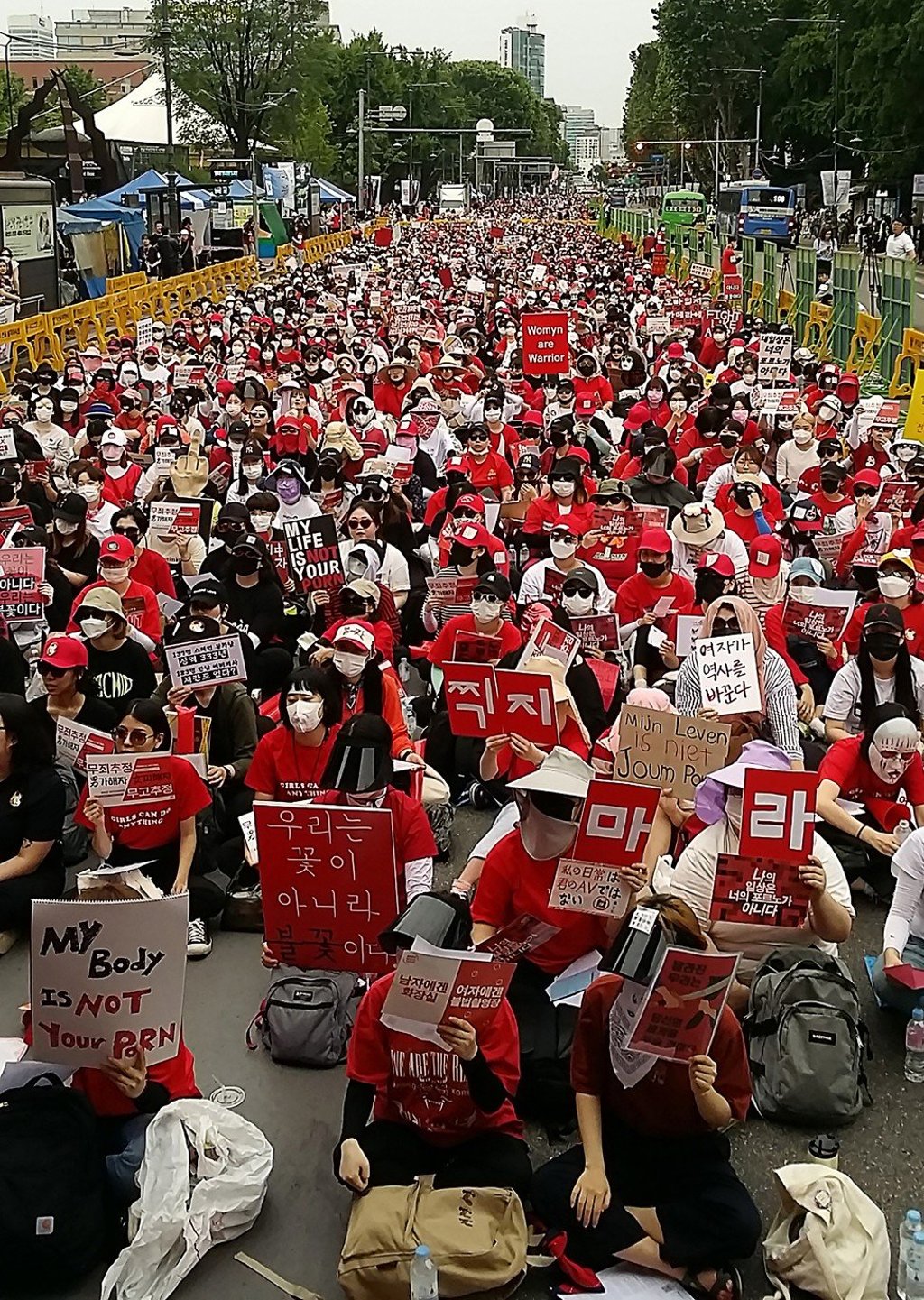
“This generation of young students are recognising it’s not just their individual experiences, but a problem with the education system here, and that’s impressive,” said Yunkim Ji-yeong, assistant professor at Konkuk University’s Institute of Body and Culture. “I experienced it. The generation before me experienced it. We just didn’t have the means to verbalise it – we just talked about the weird, creepy teacher.”