Japan’s use of Google Earth data to choose Aegis Ashore missile defence site labelled ‘inept’
- Officials also face criticism for failing to carry out inspections of the candidate locations, fuelling fears among local residents about radiation produced by radar units

Officials have also admitted they failed to carry out inspections of the candidate sites – an omission one defence analyst described as “inept” and which raised questions about the ministry’s decision-making processes.
Potential sites for the bases have been identified in Akita prefecture, facing the Korean peninsula in the far north of Japan, and Yamaguchi prefecture, on the far southern tip of the country’s main island of Honshu, although there has been resistance from local residents.
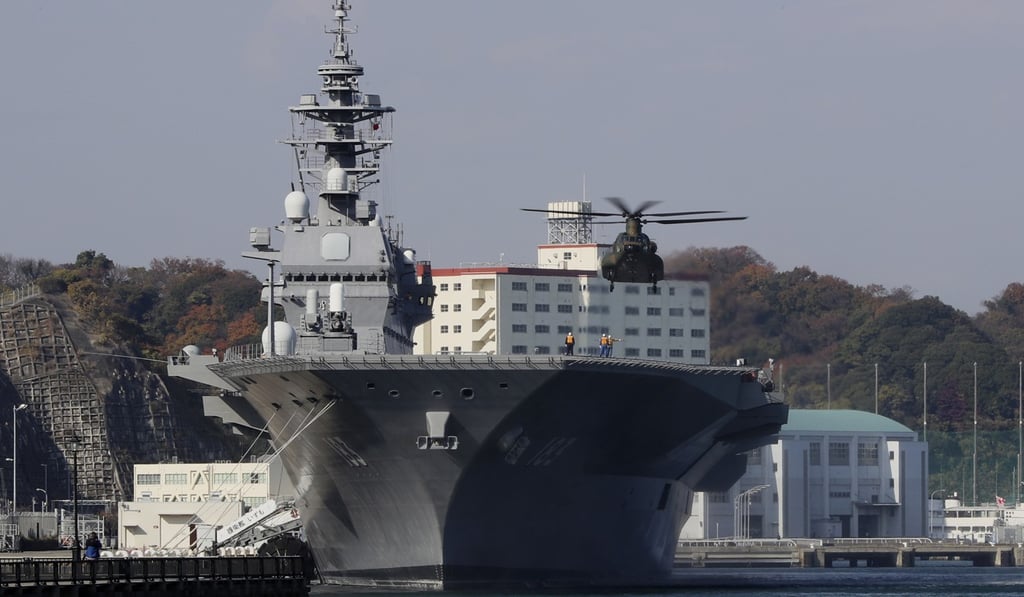
In an interim report on the best sites released last month, the ministry said it had 19 locations but eventually decided most were not suitable because nearby mountains could block radar signals and limit the system’s effectiveness in tracking incoming missiles.
A local newspaper, the Akita Sakigake Shimpo, then requested access to the study and quickly realised the ministry had made an error in its calculations.