Japan’s Emperor Hirohito was ‘prevented from voicing remorse’ over war
- According to newly disclosed documents, the wartime emperor had wanted to publicly express his regret after World War II
- But the prime minister stopped him, over fears the emperor would be perceived as having started the war

Japan’s wartime emperor Hirohito wanted to publicly express his regret and remorse shortly after World War II, but the prime minister stopped him, local media reported on Tuesday, citing newly disclosed documents.
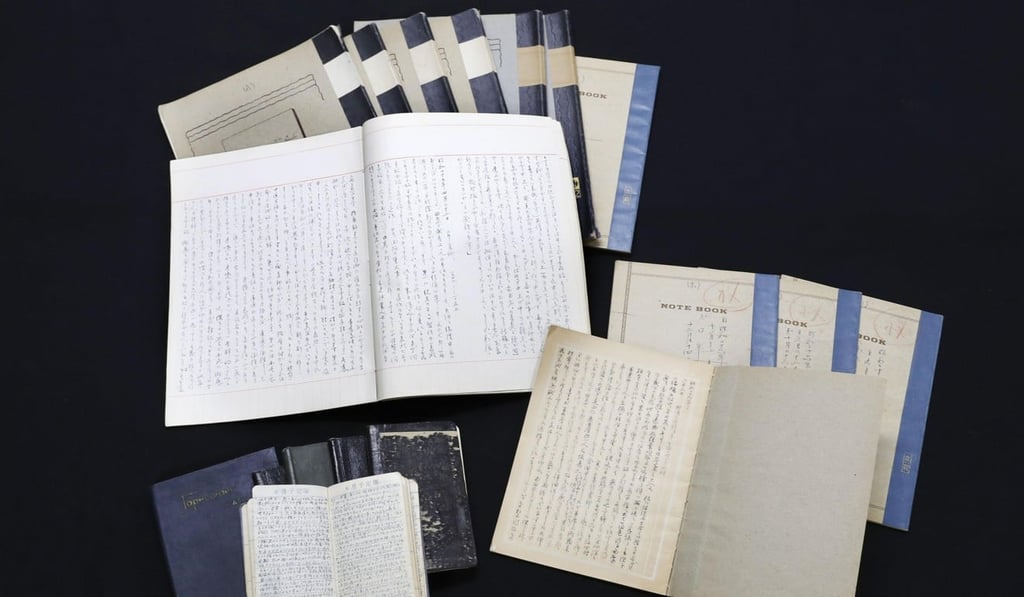
The 18 notebooks, written by Michiji Tajima, a top official at the Imperial Household Agency, featured dialogue between him and Hirohito between 1949 and 1953.
According to the documents, the emperor said in 1952: “No matter what, I really think I need to include the word remorse” in his planned speech to mark Japan’s regaining of its independence later that year.
The emperor was also cited as saying: “For myself, I do feel great remorse. I really want to add the phrase – ‘reflection on the past and self-discipline for the future’ – even if the words can be changed.”
But prime minister Shigeru Yoshida opposed the emperor’s plan, telling Tajima: “There is a danger that people will say he was responsible for starting the war.”
The phrases of regret and remorse were eventually deleted from the speech delivered by Hirohito to celebrate the 1951 San Francisco peace treaty.