Coronavirus: India’s worst-case scenario is two in 10 people infected but most cases would be mild
- US-based expert Ramanan Laxminarayan originally said his model showed six in 10 of the population or 800 million people could get the Covid-19 illness but revised his projections in light of new measures being taken
- The actual outcome depends on whether India’s transmission pattern will be similar to the grim situation in Italy and Iran
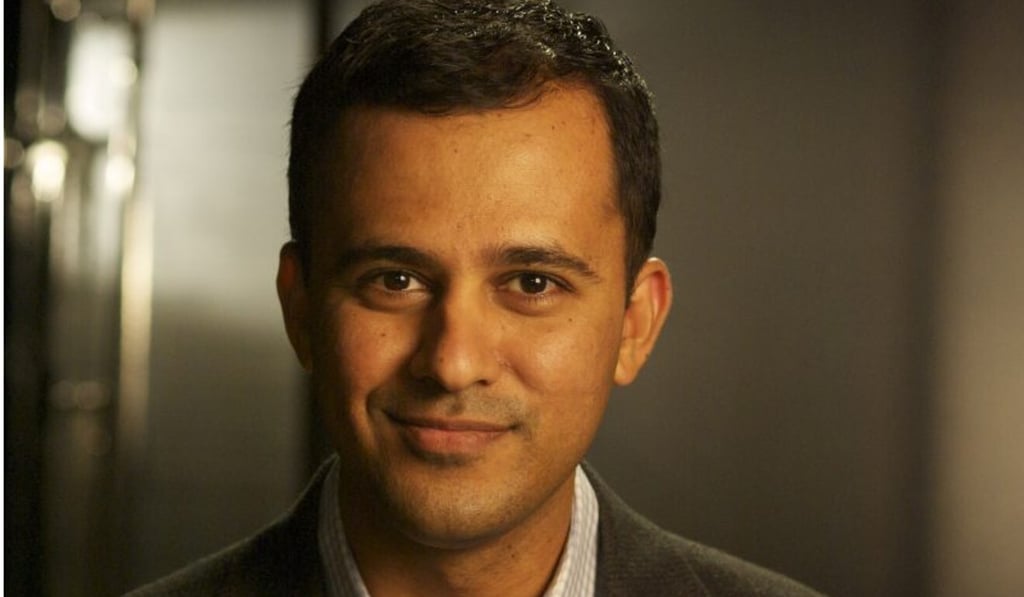
Dr Ramanan Laxminarayan, director of the US-based Centre for Disease Dynamics, Economics and Policy, said he had revised his worst-case scenario figures to a 20 per cent infection rate or 300 million patients. He maintained the overwhelming majority of these infections would be “extremely mild”.
“This modelling is based on how transmissible the virus would be in India. If it’s as transmissible as in Italy and Iran, we’re looking at the 60 per cent mark. If it’s as transmissible as in some other countries, we’re looking at 20 per cent,” cautioned Laxminarayan, who said India is in no different a position than the US or the UK, where similar grim projections have been made.
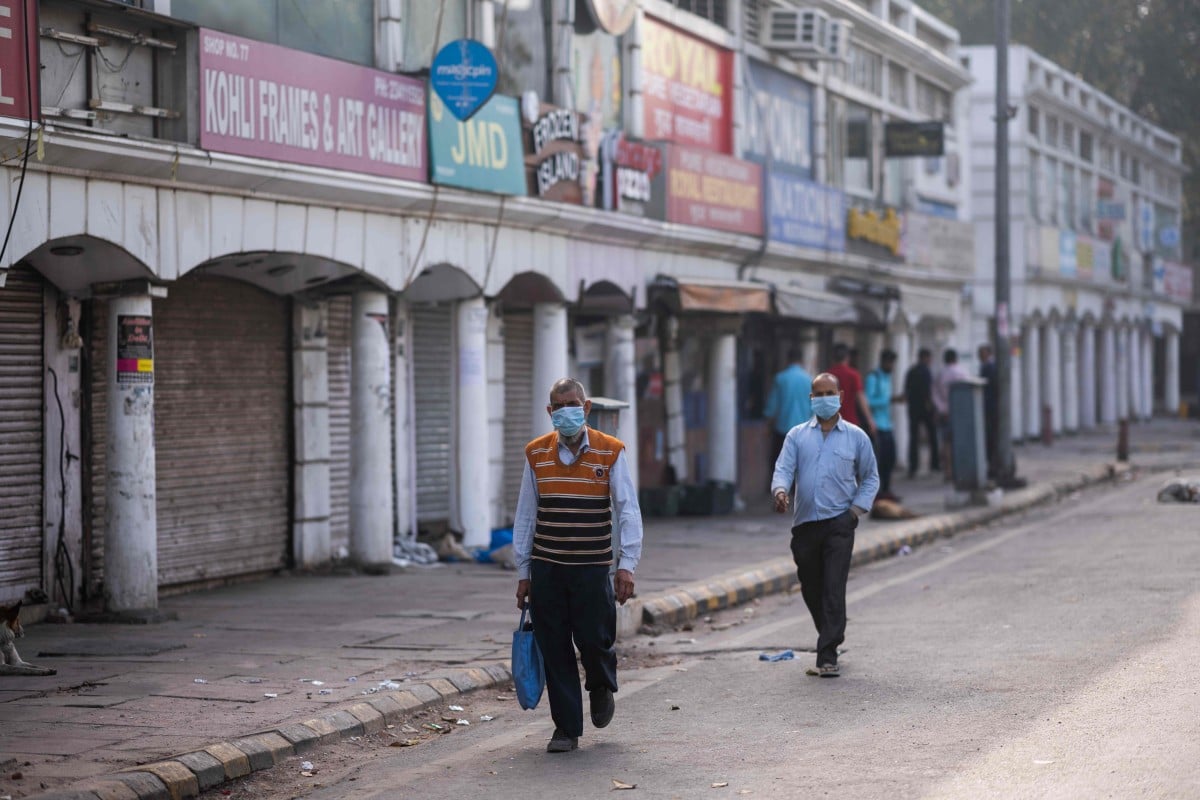
But for India – where people live in jam-packed cities and commute in heavily crowded public transport with little to no understanding of social distancing – having 300 million people ill, with six to eight million requiring intensive medical treatment, would strain its healthcare system.