Shinzo Abe’s resignation: who might become Japan’s next PM?
- The Liberal Democratic Party will hold an election to replace Abe as its president, followed by a vote in parliament to elect a new prime minister
- Likely contenders include Abe’s close aide Fumio Kishida, foreign minister Toshimitsu Motegi, and Abe critic Shigeru Ishiba

His resignation will trigger an election in his Liberal Democratic Party (LDP) to replace him as its president, followed by a vote in parliament to elect a new prime minister.
The new party president is virtually assured the premiership, since the party has a majority in parliament’s lower house.
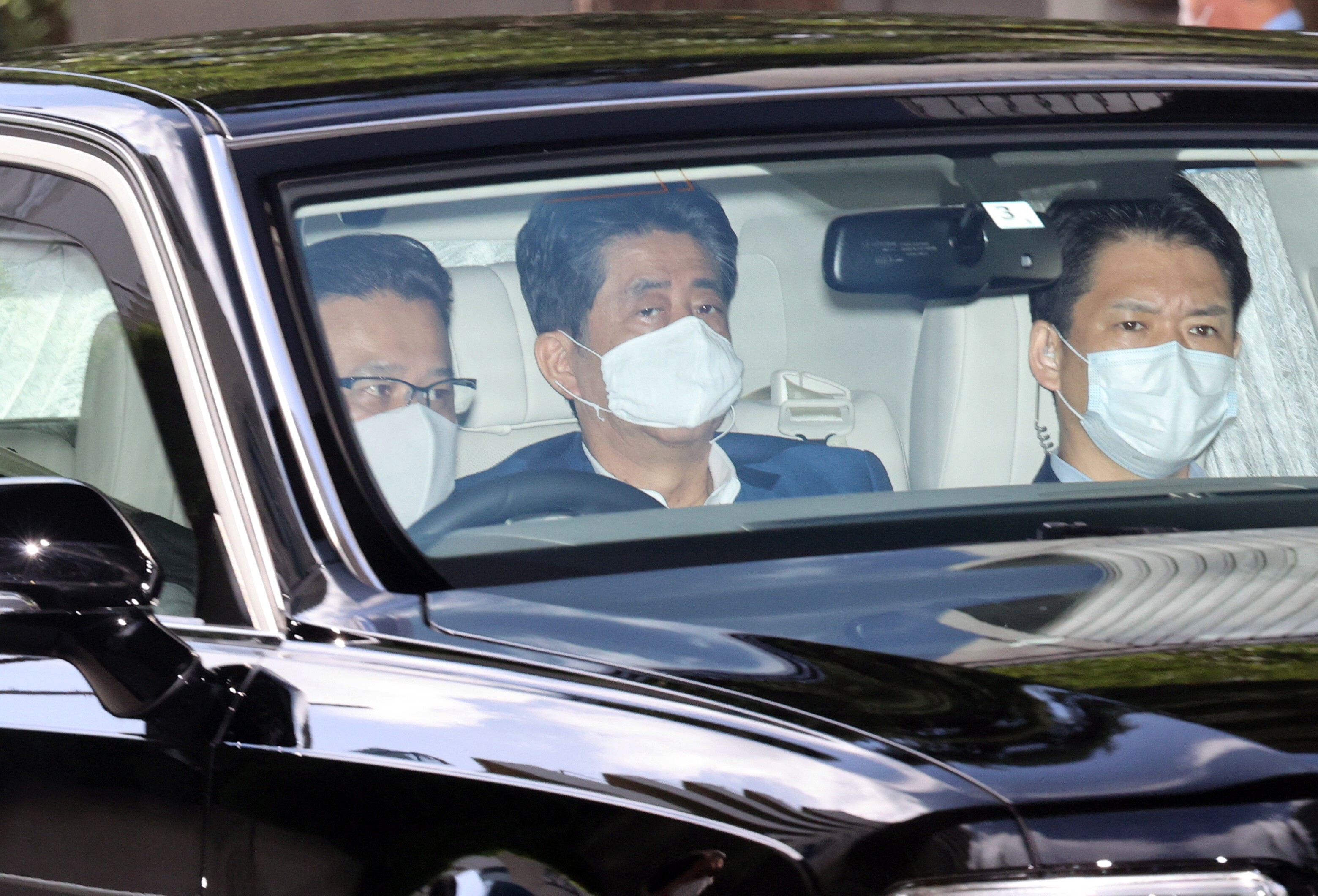
Usually, the party must announce the election for its leader a month in advance, and its MPs vote along with grass roots members.
In case of a sudden resignation, however, an extraordinary vote must be called “at the soonest date possible” with participants narrowed to MPs and representatives of the party’s local chapters.
Without a clear consensus on who should succeed Abe, LDP lawmakers could elect Taro Aso, the finance minister and also deputy prime minister, as a temporary leader. Aso on Saturday indicated that he would not stand.