Advertisement
Will Yoshihide Suga break Japan’s ‘curse’ of quick turnover of prime ministers?
- Suga will replace Japan’s longest-serving PM Shinzo Abe on Wednesday, but before Abe, the country averaged a new premier about every two years
- Analysts say Suga’s ability to control the bureaucracy and a weak opposition mean he will retain LDP leadership and is likely to win the next election
3-MIN READ3-MIN
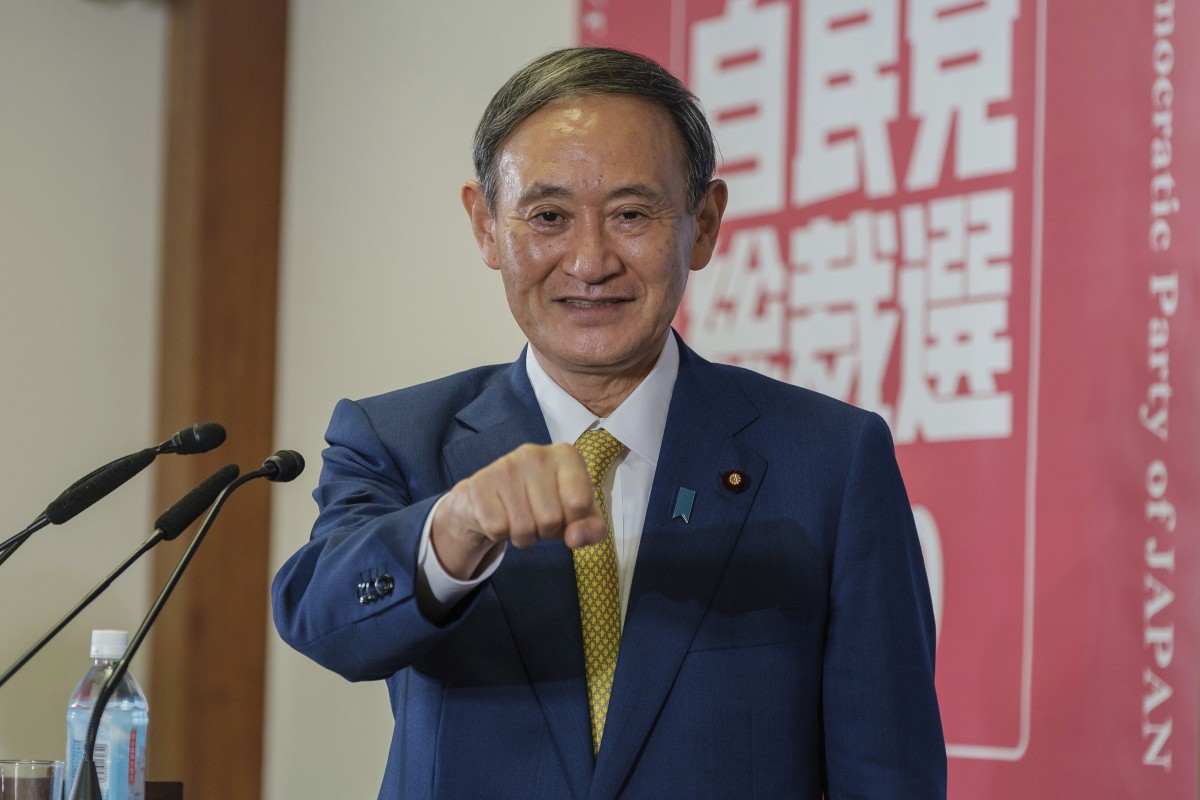
The last time a long-serving Japanese prime minister stepped down, the country saw about six leaders in quick succession who each only managed to last for about a year.
Shinzo Abe, who is set to hand over power on Wednesday, then brought stability over an eight-year period that saw him become Japan’s longest-serving prime minister. The challenge now is for his designated successor, Yoshihide Suga, to continue that run.
“If anyone has a chance of breaking the ‘curse’ it’s Suga,” said Tobias Harris, an analyst at advisory firm Teneo Intelligence and author of a new biography of Abe. “His ability to control the bureaucracy, his relationships with the ruling coalition, and the public’s desire to avoid a return to the revolving door all suggest that he could be well positioned to win a term of his own next year and wield power for several years.”
Advertisement
Suga, 71, will initially serve the remaining year of Abe’s term in office, though some party members have raised the prospect he may soon call an election to get a fresh mandate while the opposition remains weak.
Despite the devastation to the economy due to the coronavirus, Suga inherits a relatively stable Japan: Abe gradually improved frayed ties with China, safeguarded Japan’s military and economic interests after US President Donald Trump took office and eased worries in financial markets. Investors had little reaction to Suga’s victory on Monday, signalling they do not see a departure from the path of Abenomics.
Advertisement
Advertisement
Select Voice
Select Speed
1.00x