Asia set for harsh winter as La Nina weather pattern forms over Pacific Ocean
- The weather phenomenon typically spells below-normal temperatures, prompting regional weather agencies to issue warnings
- Coal and gas prices are already elevated and a bitter winter will add heating demand that is likely to spur further price increases

The La Nina pattern, which forms when equatorial trade winds strengthen to bring colder, deep water up from the bottom of the sea, has emerged in the Pacific Ocean. That typically spells below-normal temperatures in the northern hemisphere and has prompted regional weather agencies to issue warnings about a frigid winter.
Several nations are grappling with surging fuel prices and for some, power shortages or curbs on supply to heavy industry. Coal and gas prices are already elevated and a bitter winter will add heating demand that is likely to spur further increases.
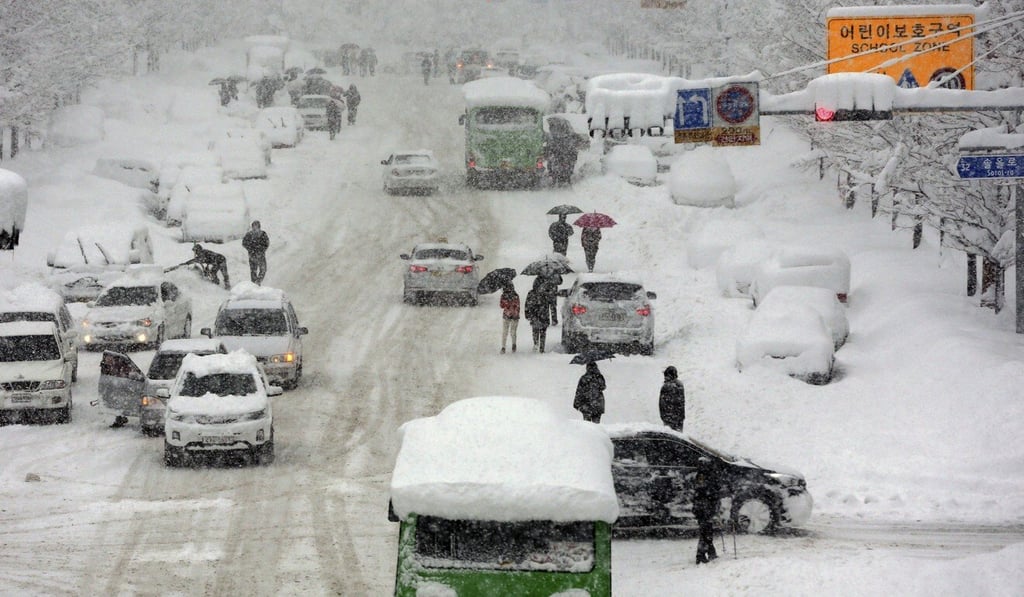
“We are expecting temperatures to be colder than normal this winter across northeastern Asia,” said Renny Vandewege, a vice-president of weather operations at data provider DTN. “Weather forecast data is a critical component of predicting how much energy load will be required.”