Japan’s pandemic-era isolation sparks concerns of rising xenophobia amid anti-foreigner backlash
- A campaign against non-citizens voting, amid claims ‘80,000 Chinese people’ could move to Tokyo, followed an unusual US embassy warning on racial profiling
- The incidents are feeding worries that Japan is souring on immigration as it approaches a third year of pandemic-driven border closures and economic upheaval

Lawmakers in the Tokyo suburb of Musashino overruled the local mayor on Wednesday and rejected a bill that would have allowed residents of other nationalities to vote on some issues. The decision came after several prominent Liberal Democratic Party legislators launched a campaign against the plan, with former Vice Foreign Minister Masahisa Sato warning on Twitter that “80,000 Chinese people” could move to the city and influence its politics.
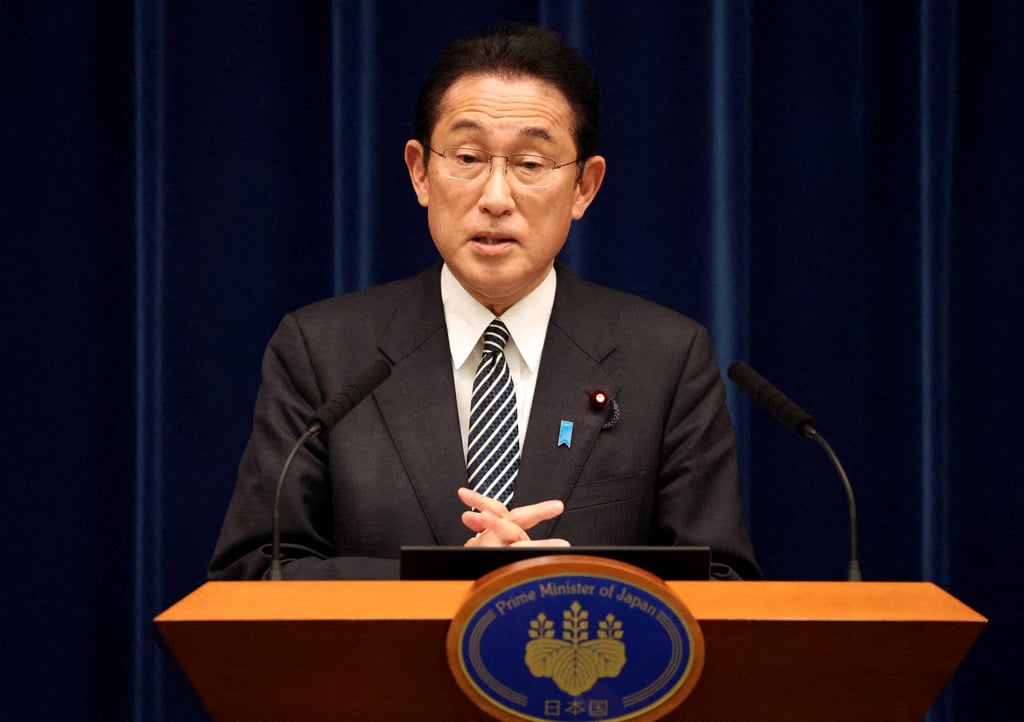
The incidents are feeding worries that Japan is souring on immigration as it approaches a third year of pandemic-driven border closures and economic upheaval. The government’s ban on arrivals by foreigners who lack existing residency status was backed by almost 90 per cent of respondents in one media poll.
“It’s not only in Japan that the pandemic fanned xenophobic sentiments, but this is a country with a long-standing tradition of insular nationalist conservatism,” said Koichi Nakano, a professor of political science at Sophia University. “Already before Covid, nationalism was exploited by some politicians to divert public attention away from real domestic ills that they did not want to deal with. But since last year, there has been an excessive, unscientific, and inhumane focus on ‘offshore measures’, such as the entry ban, by the Japanese government.”
While the island nation of 125 million has long been known for its hurdles to immigration, the government had warmed to overseas labour in recent years, because of the need to offset a shrinking workforce. The number of foreign workers in Japan more than doubled to 1.7 million in the seven years to 2020, many of them in the construction and service industries.
A poll by national broadcaster NHK carried out in March 2020, before the pandemic took hold in Japan, found that most respondents favoured more immigration. The Tourism Agency still maintains a target of attracting 60 million foreign visitors in 2030.