South Korea seeks to slash dependence on China by reopening massive tungsten mine
- South Korea is the world’s largest consumer of tungsten per capita and currently relies on China for 95 per cent of its imports
- Incoming President Yoon Suk-yeol pledged in January to reduce mineral dependence on ‘a certain country’. The US, EU and Japan are diversifying supplies too

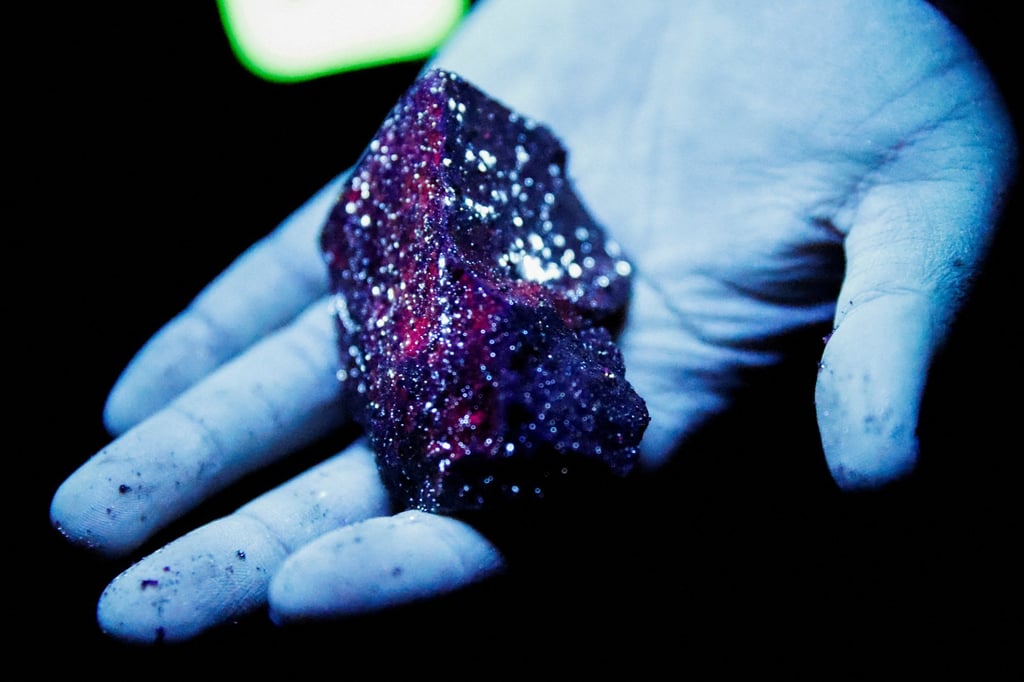
The mine in Sangdong, 180km southeast of Seoul, is being brought back from the dead to extract the rare metal that’s found fresh value in the digital age in technologies ranging from phones and chips to electric vehicles and missiles.
“Why reopen it now after 30 years? Because it means sovereignty over natural resources,” said Lee Dong-seob, vice-president of mine owner Almonty Korea Tungsten Corp. “Resources have become weapons and strategic assets.”
The scale of the plans illustrates the pressure felt by countries across the world to secure supplies of critical minerals regarded as essential for the green energy transition, from lithium in EV batteries to magnesium in laptops and neodymium found in wind turbines.
Overall demand for such rare minerals is expected to increase fourfold by 2040, the International Energy Agency said last year. For those used in electric vehicles and battery storage, demand is projected to grow 30-fold, it added.