Advertisement
Japan PM Kishida to probe Unification Church, reverses policy amid backlash
- Group has been under the spotlight since former Prime Minister Shinzo Abe was gunned down in July by a church member’s relative
- With the probe, Unification Church could lose its status as a religious corporation, depriving it of tax benefits, but it would still be able to operate
3-MIN READ3-MIN

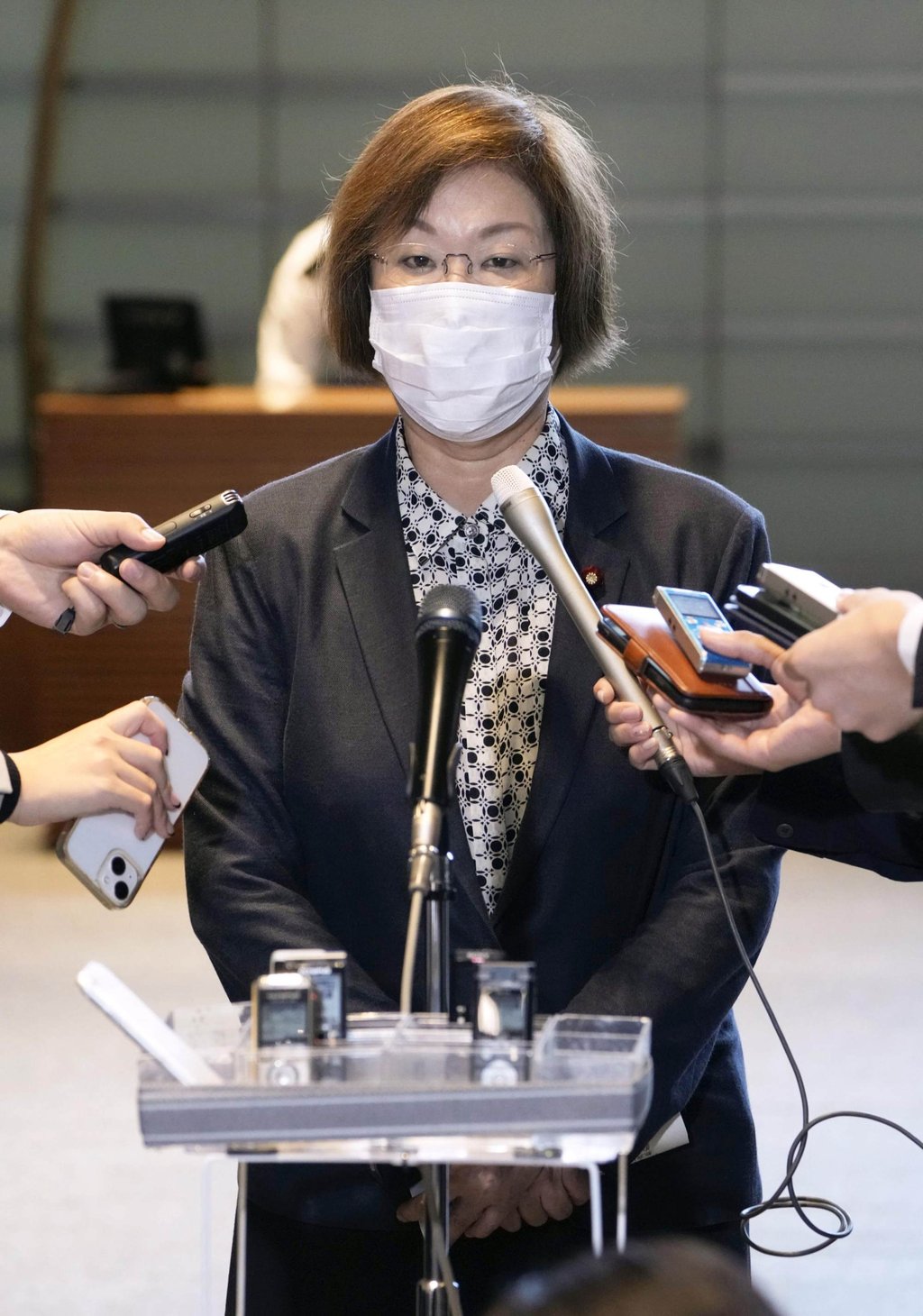
Japanese Prime Minister Fumio Kishida on Monday instructed his culture minister to launch a probe into the controversial Unification Church, reversing his initial decision amid a plunge in support for his Cabinet to its lowest level since he took office last year.
With the probe, the Unification Church could face losing its status as a religious corporation, depriving it of tax benefits although it would still be able to operate as an entity.
Revelations about the way the group has encouraged followers to make financially ruinous donations and the links it had with members of Kishida’s ruling Liberal Democratic Party have become a serious headache for the premier.
Advertisement
The group has been under the spotlight since former Prime Minister Shinzo Abe was gunned down in July by a Unification Church member’s relative who held a grudge against it and believed Abe was a supporter.
The Kishida administration had previously been cautious about ordering a probe into the Unification Church – founded by a staunch anti-communist in South Korea in 1954 and often labelled as a cult – due largely to fears of violating the principle of freedom of religion.
Advertisement
Advertisement
Select Voice
Select Speed
1.00x