Advertisement
Japan’s indigenous Ainu fight stigma to reclaim identities
- Despite the stigma of their ethnic origins, Japan’s young indigenous people are getting more comfortable with who they are
- While they have reclaimed their identities and some traditional practices, many of them still feel the government is not doing enough to support them
4-MIN READ4-MIN

In a forest in northern Japan’s Hokkaido, Atsushi Monbetsu kneels on the moss in the thick morning fog and begins to pray in a language that has nearly disappeared.
“Kamuy”, he begins, addressing the gods of the Ainu indigenous people, as he starts a small fire with birch bark.
“An Ainu man is now entering your forest, wishing to hunt deer,” he says. Soon after, he spots an animal, makes a clean kill and offers prayers for its soul.
Advertisement
Monbetsu belongs to the Ainu indigenous group that traditionally lived in what is now northern Japan, as well as in territory now part of Russia.
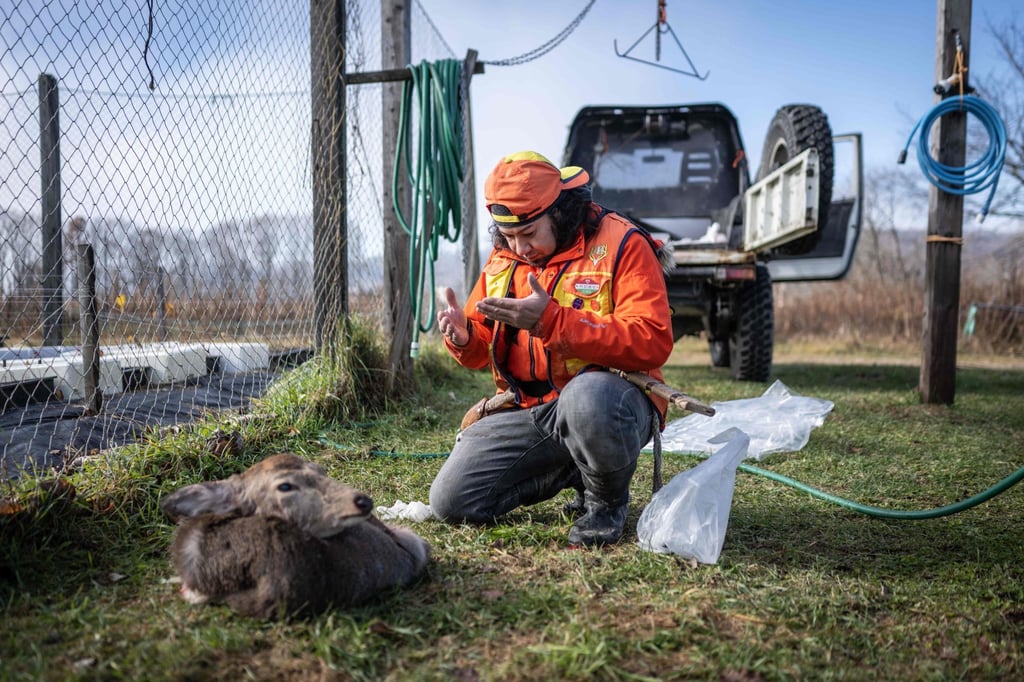
Growing up, the stigma of his ethnic origins was so great that his mother banned him from using the word “Ainu”.
Advertisement
But, like a growing number of younger people from indigenous communities in Japan, Monbetsu, 40, has reclaimed his identity and some of the traditional practices he considers his birthright.
Advertisement
Select Voice
Select Speed
1.00x