Advertisement
TikTok forecasts spending on Korean K-culture to hit US$143 billion by 2030
- Overall spending could reach even higher as viral Korean content captures bigger audiences in key markets like Southeast Asia and the US
2-MIN READ2-MIN
1

Global spending on Korean cultural products is forecast to nearly double to US$143 billion by 2030, according to new research released by TikTok and analytics company Kantar.
The soaring popularity of so-called K-content has been amplified by social platforms, where users have voiced their appreciation of Korean drama, pop music, cuisine and cosmetics. TikTok, which initially rocketed in popularity with short clips of young people dancing to popular songs, has become a gathering place for K-pop fans online. In recent times, that’s expanded to include more of Korean culture and traditions.

The current market size of Hallyu – meaning Korean Wave, a catch-all term encompassing the country’s cultural exports – is estimated to be US$76 billion, and viral content around K-culture should drive it up by capturing bigger audiences in key markets like the United States and Southeast Asia, the report said. Overall spending could reach as high as US$198 billion by decade’s end, if all the potential consumers who are intrigued start buying Korean consumer goods, services and entertainment.
Compared to Japan, East Asia’s original heavyweight cultural exporter, South Korea’s output is still relatively small – but social media is helping to narrow the gap.
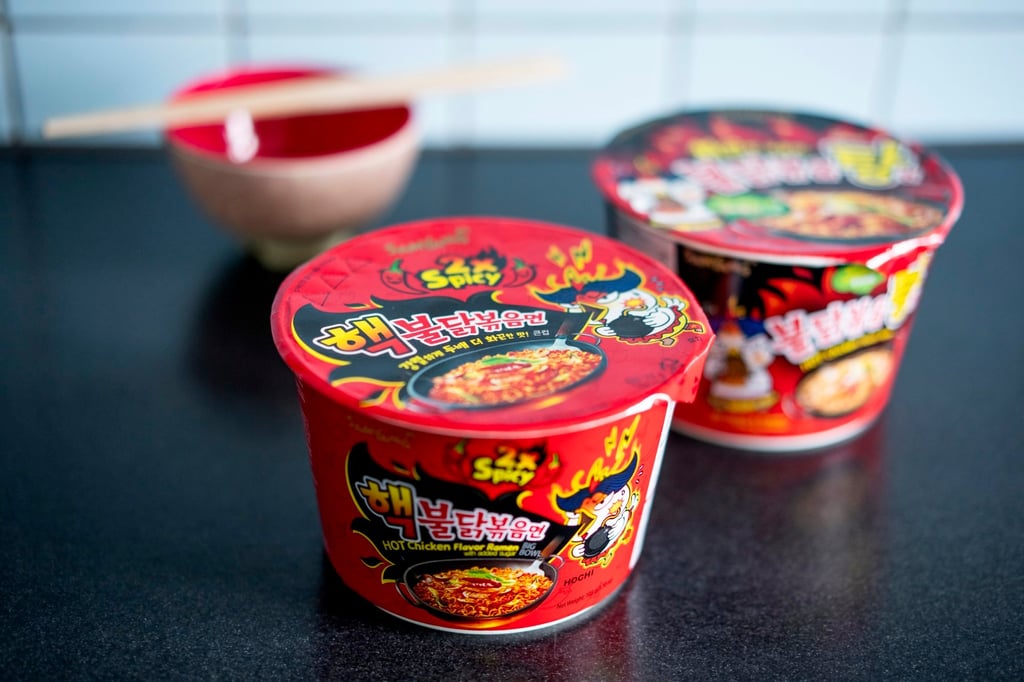
Content on ByteDance Ltd.’s TikTok is increasingly branching out to address topics like Korean food and K-drama. It’s driving engagement, memes and real-world sales of products. In one case, sales of Buldak noodles skyrocketed after rapper Cardi B reviewed them on video and amassed nearly 40 million views. That sent shares of the Korean noodle maker Samyang Foods Co. to a record high this year.
South Korea is best known for its exports of physical goods – from semiconductors to cars and appliances – and those still dominate in economic terms. Hallyu’s growing reach is having ripple effects and promises to augment the less quantifiable soft power of the country and its brands. It has already nurtured a new generation of multimillionaires from creative arenas like K-pop and webtoons.
Advertisement
Select Voice
Select Speed
1.00x