Advertisement
Japan
AsiaEast Asia

Japan’s food exports soar despite US tariffs, China seafood curbs

Global appetites for green tea and beef outweighed trade barriers, pushing farm, fish and forest exports to a record US$11 billion in 2025

1-MIN READ1-MIN
3
Listen
An employee slices wagyu beef to be served at a restaurant in Takayama. Japanese beef posted record export values last year. Photo: AFP
Reuters
Japan’s exports of agricultural, forestry and fishery products rose 12.8 per cent to an all-time high ‌in 2025, lifted by stronger shipments to the United States despite ‍new tariffs, and by a rebound in exports to China from the previous year’s slump.

Exports totalled 1.701 trillion yen (US$10.9 billion) last year, up from 1.507 trillion yen in 2024, marking ⁠a 13th consecutive annual gain and a record high, the Ministry of Agriculture, Forestry and Fisheries (MAFF) said on Tuesday.

“Rising global interest in Japanese cuisine, greater awareness of Japanese food among inbound tourists, and growing health consciousness are driving demand,” said Kazuyoshi Nakasugi, ‍deputy director of MAFF’s export policy planning division, pointing to industry hearings.
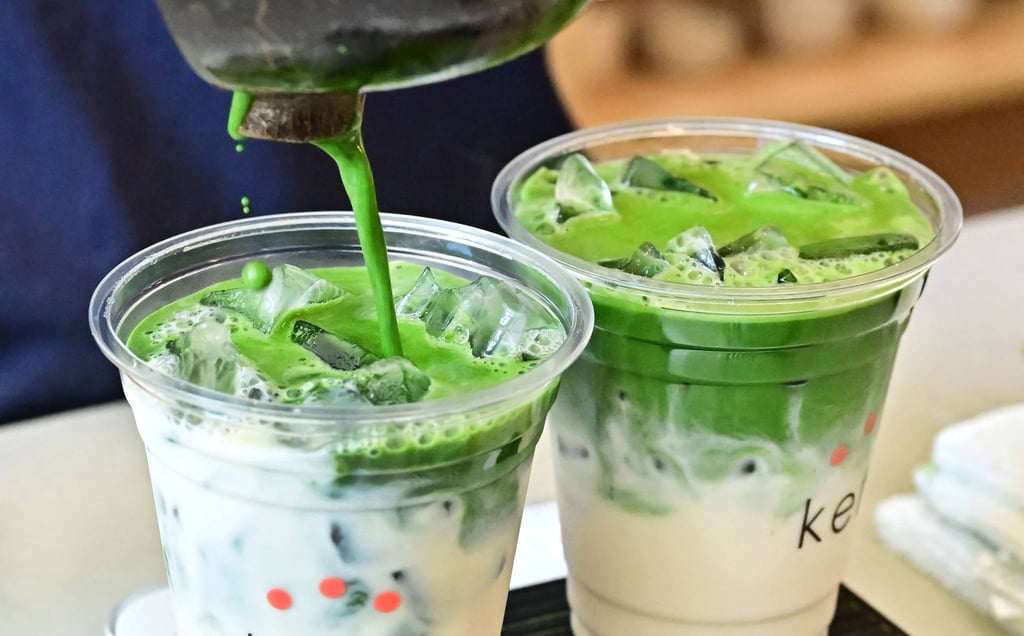
Matcha is added to drinks at a cafe in Los Angeles, California. Matcha, which means “ground tea” in Japanese, comes in the form of a vivid green powder. Photo: AFP
He said ‍these factors boosted volumes through existing trade channels and the development of new ones, and pushed exports to many countries, including the US and South Korea, to record levels.
Advertisement

Shipments to the US climbed 13.7 per cent to ‍276.2 billion yen, making it Japan’s largest export destination for the second straight year, supported by robust demand for green tea and beef despite tariffs introduced in April.

Exports to China grew 7 per cent to 179.9 ‌billion ⁠yen, rebounding from a 29 per cent slump in 2024, helped by higher shipments of ornamental koi, beer and logs.

Advertisement
China suspended imports of all Japanese seafood after Tokyo Electric Power began releasing treated radioactive water from the Fukushima Daiichi nuclear power plant ‌in August 2023, but eased the ban in mid-2025, though some restrictions remain.
Advertisement
Select Voice
Select Speed
1.00x