Robots to the rescue as South Korea battles severe labour crunch
South Korea’s current population of 51.8 million is expected to shrink by almost a third to 36.2 million by 2072

Such stores, usually open 24 hours, were estimated to number 9,000 nationwide by the end of 2024, the National Fire Agency said, while payments provider Samsung Card said their number probably grew four times by 2025 from 2020.
“The population of baristas in their early twenties is drastically declining,” said Kim Dongjin, chief executive of Lounge X, where a robot arm named “Baris” serves paper cups of Americanos and matcha lattes to fill orders from on-site kiosks.
His company runs eight such 24-hour coffee shops – entirely unstaffed – across South Korea, most of them in Seoul, the capital, although human employees prepare coffee drinks in four more.
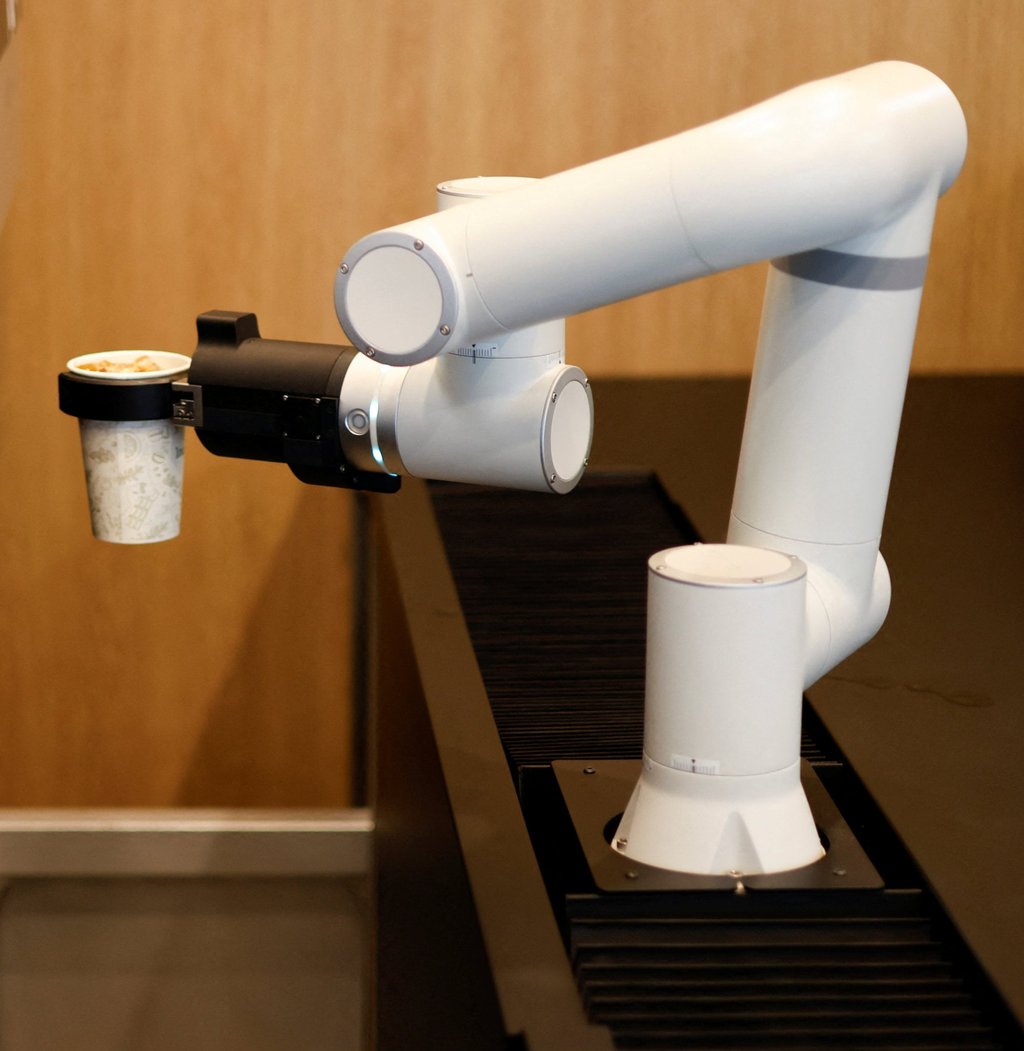
Stores with no staff are not uncommon globally, with cashier-free grocers in countries such as Britain and the United States, but the concept has spread wider in South Korea to encompass even pet supply stores and clothing boutiques.
Owners of such stores cite difficulties in finding suitable staff and rising wage costs as reasons for adopting the model – particularly as rates of petty crime are low in South Korea, where customers are generally rule abiding.