Death by fake news: Indian authorities blame ‘irresponsible and explosive messages’ on WhatsApp for lynchings
Violence based on misjudgment or malicious information are not a new phenomenon in India but the spread of smartphones and internet access in the country’s poorest and most isolated areas has exacerbated the problem

The smartphone footage shows the two blood-soaked men pleading for their lives. Moments later they were dead, two more victims of lynchings sparked by rumours spread on Facebook and WhatsApp in India.
The two men were young and well-educated. Gregarious, dreadlocked musician Nilotpal Das, 29, and his businessman friend Abhijeet Nath, 30, were both from Guwahati, capital of the northeastern state of Assam.
On the fateful day last month when they were beaten to death by a crazed village mob wielding bamboo sticks, machetes, and rocks, the friends were driving back from a day in the country, near a popular waterfall.
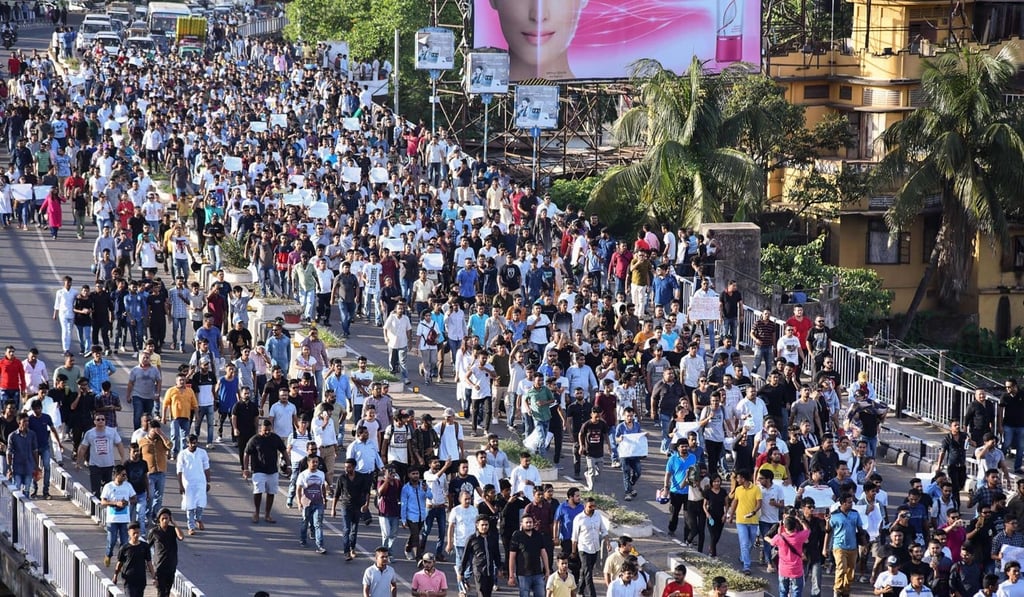
“He liked to listen to the sounds of nature to find inspiration for his music,” his grieving father Gopal Chandra Das, 68, said at their home, the television table in the living room now a shrine to his son.
Viral rumours about kidnappers, spread through Facebook and WhatsApp, have led to the lynching deaths of some 20 people in the last two months in India, according to a tally from local media reports.