Bhutan is the world’s only ‘carbon negative’ country but can it preserve its pristine environment while its economy grows?
Being able to afford staying on a green path depends on Bhutan receiving outside funding, something in doubt since US President Donald Trump announced his country’s withdrawal from the 2015 Paris climate accord

The gentle whirring of the wind turbine speaks volumes for Bhutan’s record as the world’s only carbon negative country, but major challenges stand in the way of the Himalayan kingdom’s decision to follow a green path over rampant economic expansion.
The mountainous state, holding only its third election on October 18, absorbs three times more CO2 than it emits, thanks mainly to the lush forests covering 72 per cent of its land.
Famed as the “last Shangri-La” for using happiness as a measure of success, Switzerland-sized Bhutan has been careful to keep its environment pristine, often by sacrificing profits.
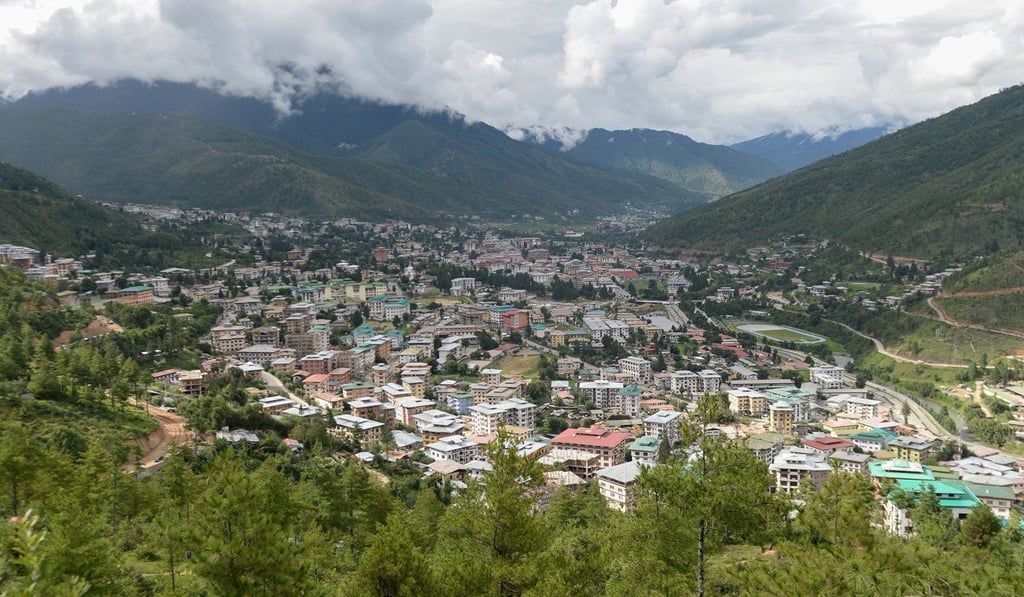
The nation of 800,000 has restricted tourist numbers with a daily fee of US$250 per visitor in high season, helping keep at bay the kind of boom that has ravaged other scenic hotspots.
In May, Bhutan opted out of an India-backed regional road connectivity project mainly over concerns that trucks coming in from other countries will pollute its air.