Mumbai has moved on from the deadly city centre terrorist attacks of 2008 – but scars still remain
- In November 2008, three days of carnage orchestrated by Pakistani gunmen left 166 people dead and turned India’s financial capital into a war zone

Ten years ago, chef Raghu Deora stood face to face with death.
He was in the kitchen of the Taj Mahal Palace hotel’s private club, The Chambers, when four gunmen walked in with assault rifles and sprayed the guests and hotel staff with bullets. He tried to hide, but his efforts were for naught.
“I was found out by the terrorists. They got me out. Me, along with two more guests, we were made to stand in line and we were shot point blank,” he said.
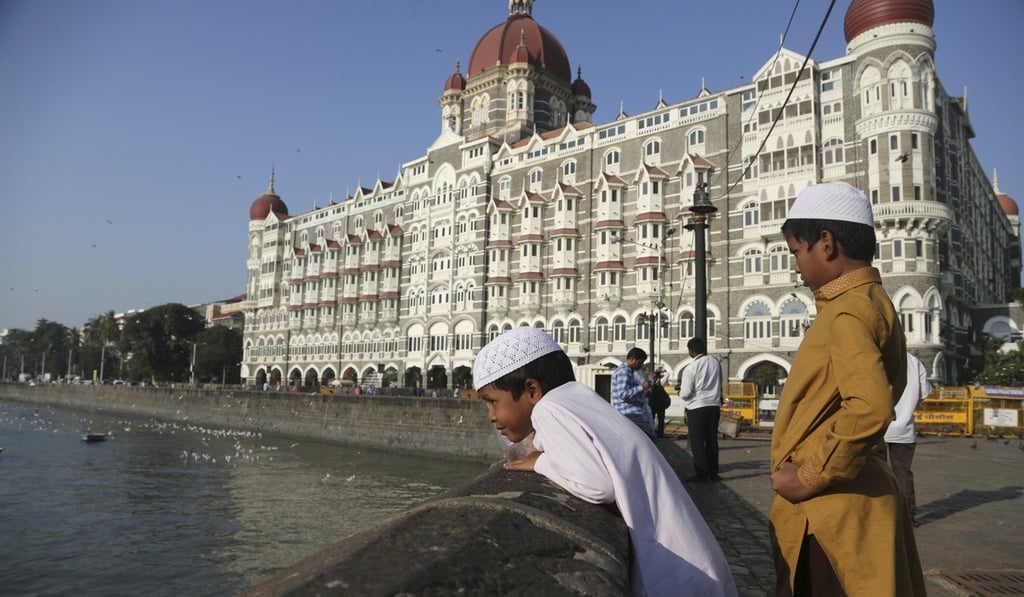
On November 26, 2008, India’s financial capital Mumbai was turned into a war zone by a group of Pakistani gunmen who launched coordinated attacks in the heart of the city. They targeted two luxury hotels, a Jewish centre, a tourist restaurant and a crowded railway station. Three days of carnage killed 166 people, including foreign tourists, and wounded hundreds more.
The epicentre of the assault was the iconic Taj Mahal Palace hotel with its imposing, red-tiled dome overlooking the Gateway of India monument. Thirty-one people died inside the hotel, including staff trying to guide the guests to safety. Visceral images of smoke leaping out of the city landmark have come to define the 60-hour siege.
Deora was shot in his abdomen and leg. The two guests with him were killed, but he was rushed to hospital by hotel security. It took him more than three months to recover.