Sri Lanka’s Supreme Court rules dissolution of parliament unlawful in setback for president
- Much-anticipated verdict further embroils the Indian Ocean nation in political crisis, with officials worried about the lack of functioning government

A seven-judge bench of the highest court said the president lacked the power to dissolve parliament at will before four-and-a-half years from the day of its first sitting, citing a 19th constitutional amendment that was passed in 2015, according to opposition counsel Jayampathy Wickramaratne.
Sri Lanka’s crisis began in October when Sirisena abruptly sacked then-Prime Minister Ranil Wickremesinghe and appointed former strongman Mahinda Rajapaksa in his place, the culmination of years of infighting over Wickremesinghe’s economic reforms and his efforts to investigate alleged abuses during Sri Lanka’s long civil war, which ended in 2009. The military under Rajapaksa has been accused of some of the alleged abuses.
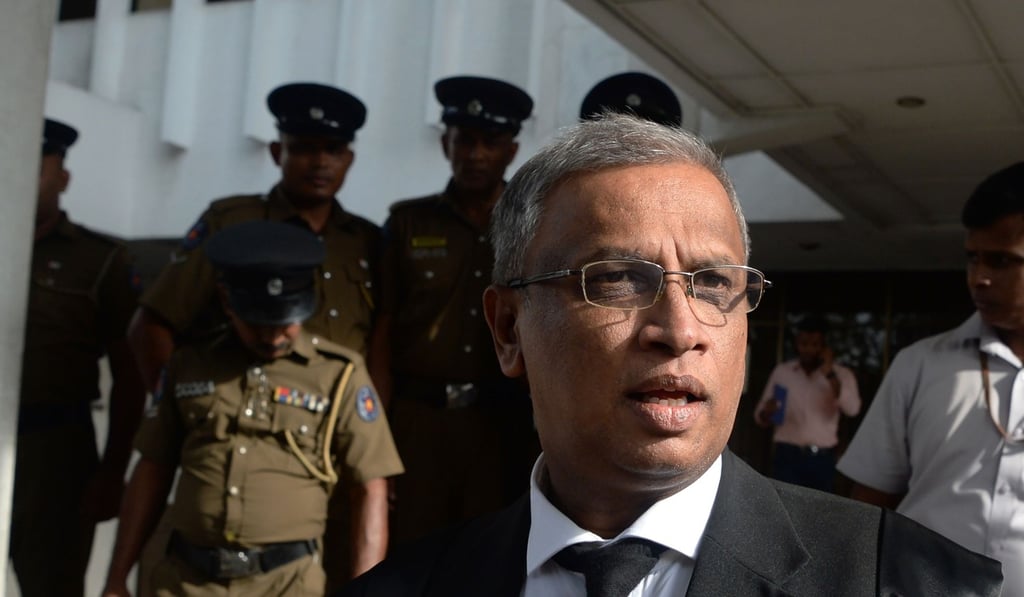
“This is a historic judgment delivered by the Supreme Court; for the first time an act of the president has been challenged. That was possible because of the 19th amendment.
“Prior to that when the president was in office, he had full immunity,” said M.A. Sumanthiran, an opposition lawmaker and lawyer who argued for the petitioners. “We are glad that the conclusion arrived at is unanimous.”