PlayerUnknown’s Battlegrounds is the world’s most popular smartphone game. Indian cities have banned it, fearing it turns children into ‘psychopaths’
- Gaming is relatively new in India so there are no regulatory policies in place
- In contrast, Tencent currently bans players in China under 13 from playing PUBG
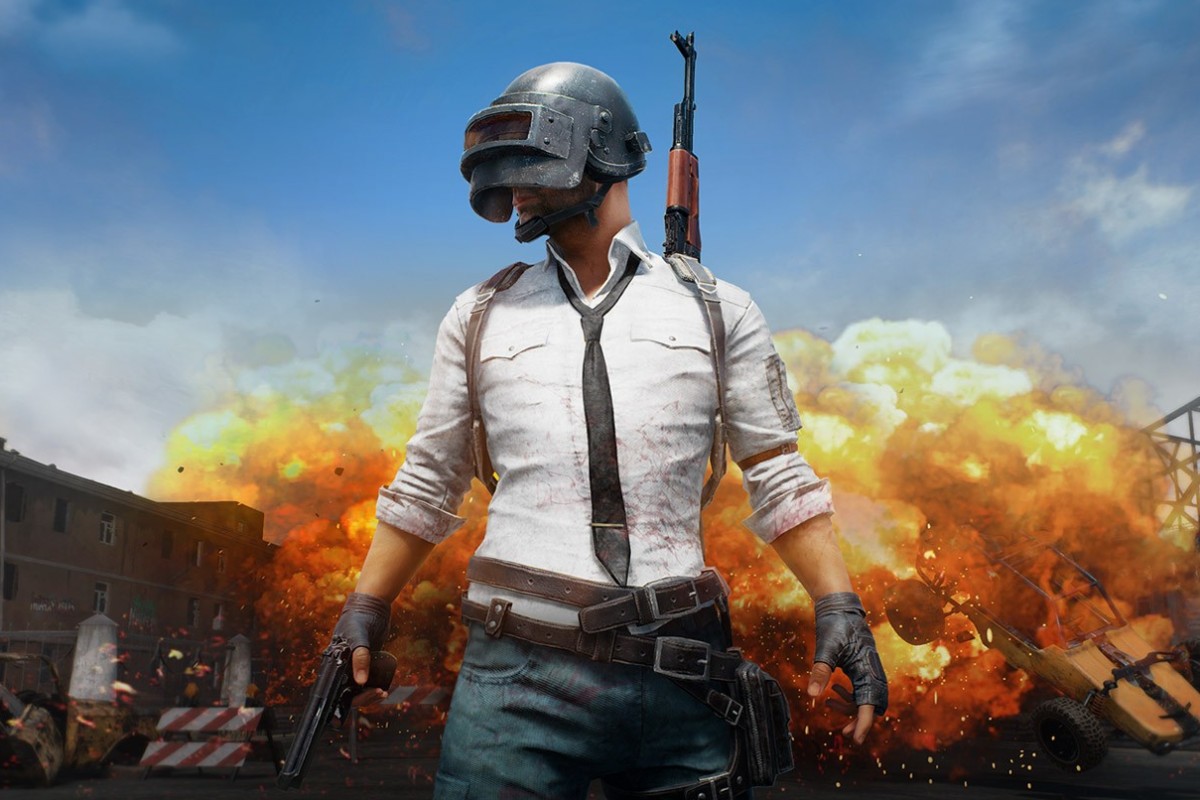
India does not have much of a history with popular computer games, unlike the US or Japan. But now one of the industry’s kill-or-be-killed titles has become a smash hit – and the backlash from the country’s traditionalists is ferocious.
Nowhere has resistance to the game been quite like India. Multiple cities have banned PUBG and police in Western India arrested 10 university students for playing. The national child rights commission has recommended barring the game for its violent nature.
One of India’s largest Hindi newspapers declared PUBG an “epidemic” that turned children into manorogi, or psychopaths.
“There are dangerous consequences to this game,” the Navbharat Times warned in a March 20 editorial. “Many children have lost their mental balance.”
Computer games have outraged parents and politicians for at least 20 years, since Grand Theft Auto first let players deal drugs, pimp out prostitutes and kill off strangers to steal their cars. Just last year, China went through its most serious crackdown on games, freezing approval of new titles and stepping up scrutiny of addiction and adverse health affects.
What’s different about India is the speed with which the country has landed in the strange digital world of no laws or morals. It skipped two decades of debate and adjustment, blowing into the modern gaming era in a matter of months. Rural communities that never had PCs or game consoles got smartphones in recent years – and wireless service just became affordable for pretty much everyone after a price war last year.