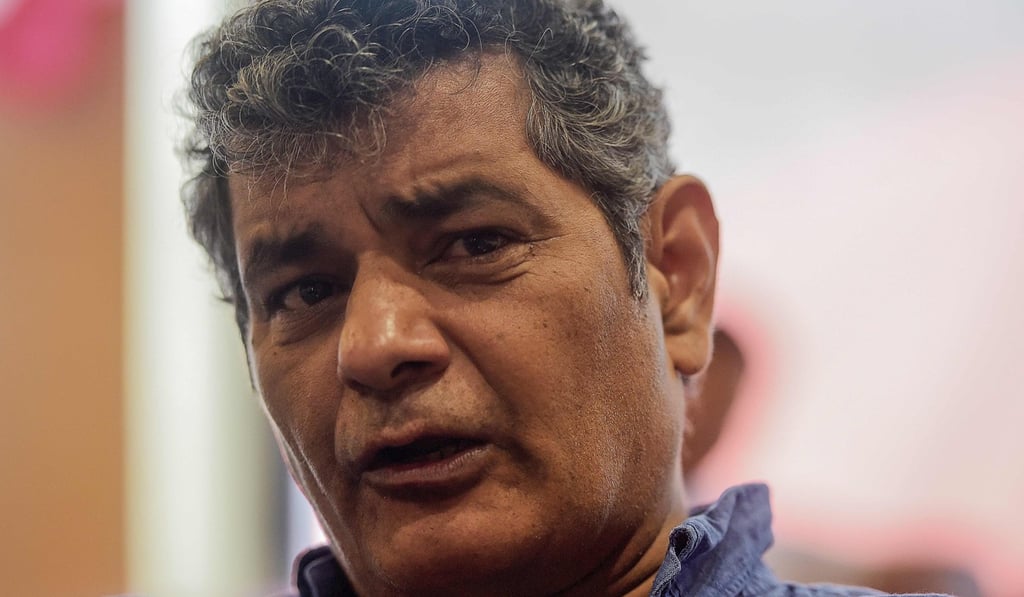
Pakistani novel by Mohammed Hanif satirises the military and it’s finally been translated to Urdu
- The 2008 novel chronicles the final days of hardline dictator General Zia-ul-Haq’s rule and the conspiracies behind the plane crash that killed him in 1988
- Works written in English have a narrower, elite audience and so often have greater leeway, while Urdu content tends to be more carefully censored
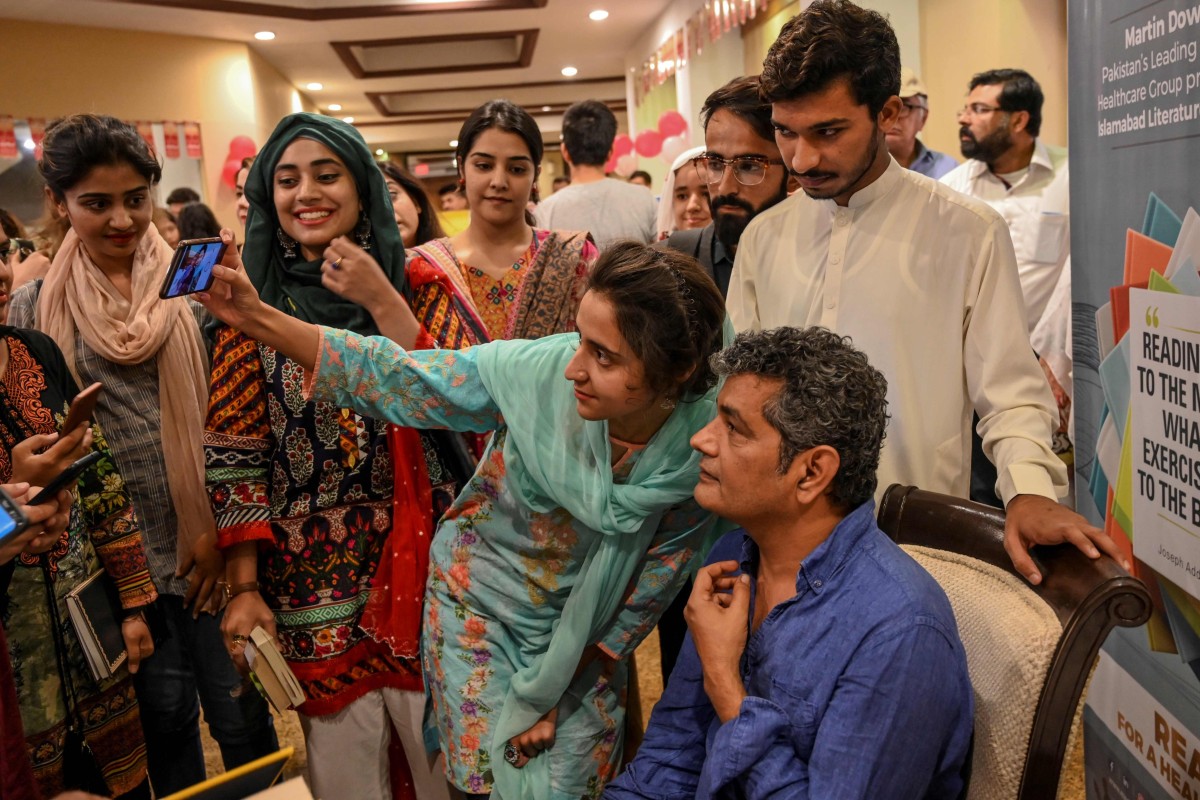
Featuring bumbling generals, assassination plots, and homosexual romance, Pakistani military satire A Case of Exploding Mangoes by Mohammed Hanif has finally been released in the country’s official language Urdu – even as the army tightens its grip on freedom of expression.
The former fighter pilot turned journalist, novelist and librettist is best known for the 2008 novel which chronicles the final days of hardline dictator General Zia-ul-Haq’s rule and the myriad conspiracies behind the plane crash that killed him in 1988.
Zia, a pious and far-right dictator in real life, is portrayed by Hanif as a paranoid buffoon backing the Afghan jihad against the Soviets while battling a case of rectal worms.
In the book, the military relies on torture, extrajudicial murder, and covertly supports a jihadist insurgency to pursue its goals – accusations made by rights activists in real life, but which the military denies, and rarely allows to be repeated by the Pakistani press.
“I love the army. Some of my best friends have died in combat. I have nothing against the institution,” explains the 55-year-old, whose own years in uniform provided much of the granular details of military life featured in the book. “But if the military does something wrong, if they get involved in politics, if they disappear people, then I have to write about it.”