Former Pakistan president Pervez Musharraf sentenced to death for treason
- In a first for the South Asian nation, ex-army chief was tried with high treason for imposing emergency rule and suspending the constitution in 2007
- Musharraf had toppled the civilian government of former prime minister Nawaz Sharif in 1999 and later became the country’s military president

A Pakistani special court sentenced former military dictator and president Pervez Musharraf to death in absentia on Tuesday, an unprecedented move in a country where the armed forces are often considered immune from prosecution.
In a two-to-one majority, the three-member special court headed by judge Waqar Ahmad Seth announced the verdict, his spokesman Mohammad Amjad said by phone on Tuesday, ending six-year long high treason proceedings against the former general for suspending the nation’s constitution in 2007.
Musharraf, as the army chief, toppled the civilian government of former prime minister Nawaz Sharif in 1999 and later ruled as the country’s military president. He imposed a state of emergency when facing growing opposition to his rule – suspending all civil liberties, human rights and democratic processes from November 2007 to February 2008.
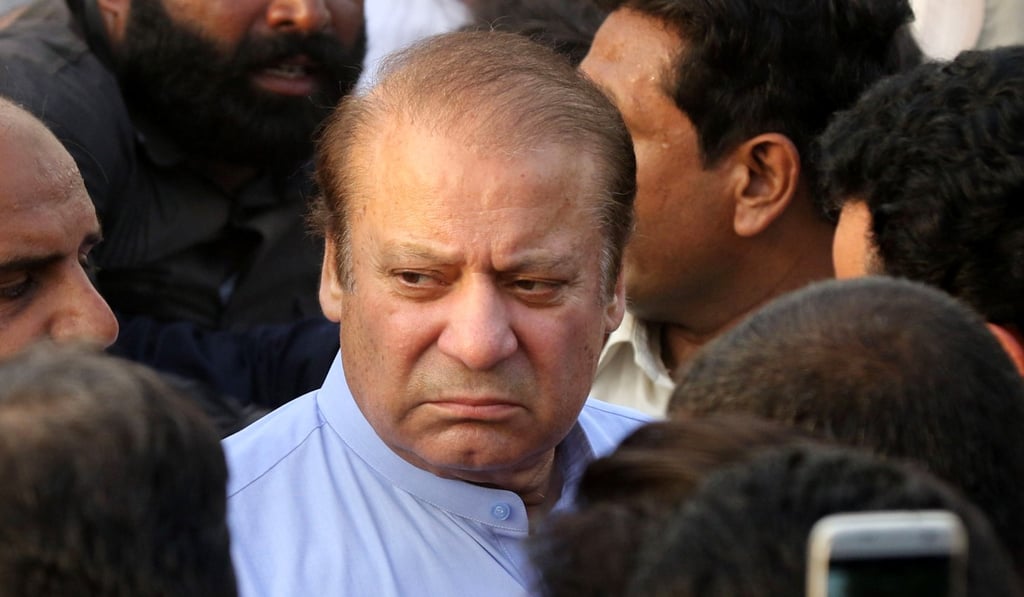
He resigned later in 2008 to avoid impeachment by parliament, after a political party that backed him fared poorly in a general election. He has spent much of the time since then abroad.
The final years of his rule were marked by struggles with the judiciary stemming from his wish to remain head of the army while also being president. He had tried to sack the chief justice in March 2007, sparking nationwide protests and months of turmoil that led to the imposition of a state of emergency.