Advertisement
In Pakistan, virginity tests block justice for rape victims
- The ‘two-finger’ tests, which try to determine if the subject is sexually active, are often ordered as part of police investigations
- The result can be critical to any criminal case, with an unmarried victim discredited if she is deemed to have had sex before
4-MIN READ4-MIN

Raped at 14, Shazia took the rare and courageous step of reporting the crime to police in Pakistan, only to face a traumatic “virginity test” – a long-standing practice that denies justice to victims.
The teenager was still in a daze after she was assaulted by her father’s cousin, when police forced her to see a doctor, who conducted the invasive medical exam intended to determine whether she had a history of having sex.
“She told me to open my legs and inserted her fingers,” said Shazia, not her real name, in a written statement. “It was very painful. I didn’t know why she was doing it. I wish my mother had been with me.”
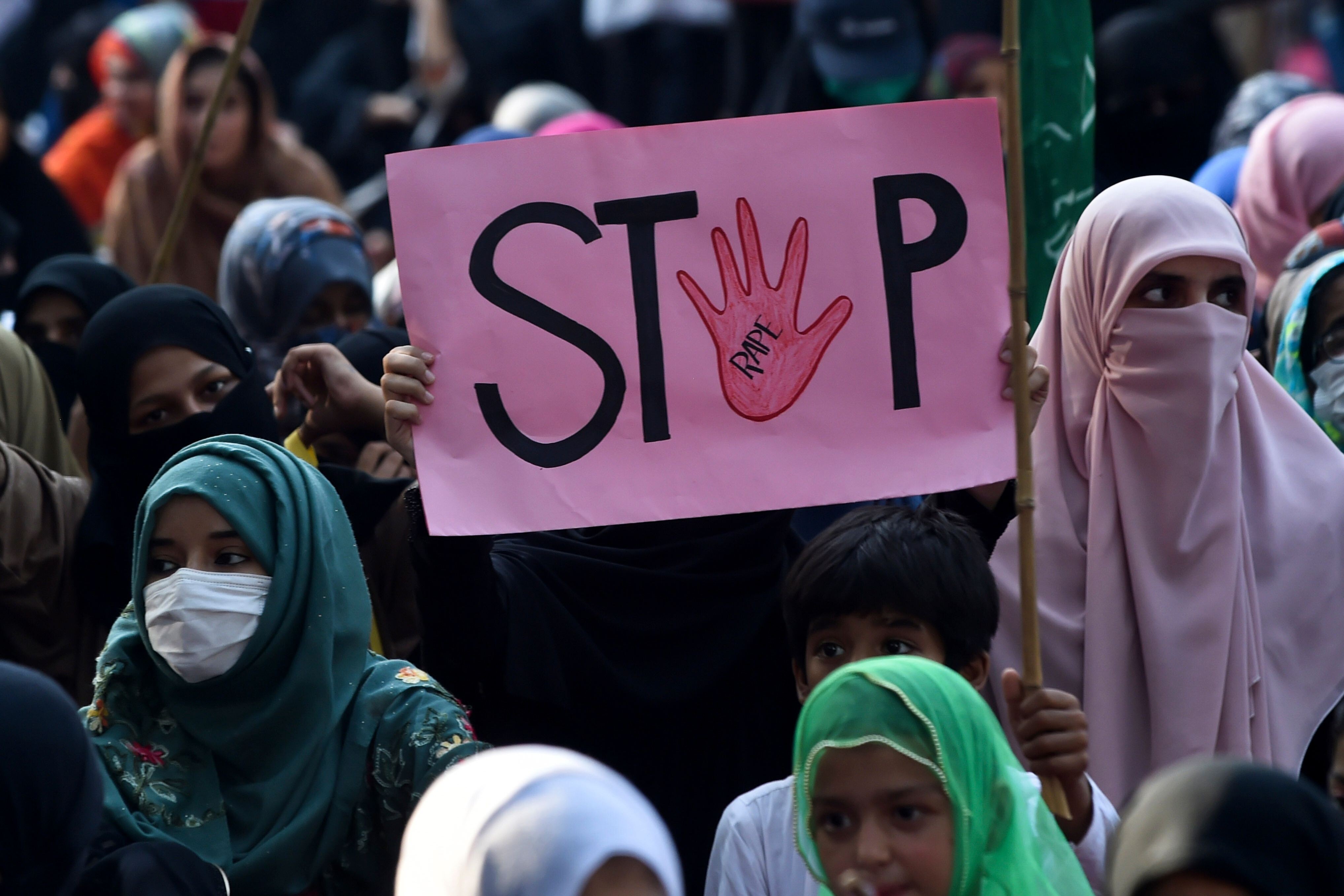
In a country where rape is vastly under-reported and survivors of sexual assault are viewed with suspicion, virginity tests are often ordered as part of police investigations.
Advertisement
The result can be critical to any criminal case, with an unmarried victim discredited if she is deemed to be sexually active.
Advertisement
That goes some way towards explaining Pakistan’s abysmal rape conviction rate, activists and lawyers say, with official data putting it as low as 0.3 per cent.
Advertisement
Select Voice
Select Speed
1.00x