Advertisement
India
AsiaSouth Asia

In India, string of suicides linked to digital loan sharks blamed for preying on the unbanked

  • Digital lending apps promising quick cash exploded in popularity across India and other developing economies amid the pandemic
  • Activists say they prey on unwary borrowers, with heavy-handed collection tactics and interest rates as high as 500 per cent linked to a string of suicides

Reading Time:5 minutes
Why you can trust SCMP
Apps promising quick cash have mushroomed in India amid the pandemic. Photo: Reuters
Bloomberg
When V. Rajapandian was pushed out of his job at a heat treatment plant in India, the reason had nothing to do with performance or falling revenue. Instead, his boss offered a peculiar explanation: after Rajapandian defaulted on a loan from a mobile app, recovery agents demanded the plant pay on his behalf.

“I lost my job because of them,” Rajapandian said of CASHe, the app he used to secure a US$132 loan. “I constantly live with the fear that they will track me down and harass me.”
As digital lending explodes across India and other developing economies, Rajapandian’s ordeal has become increasingly common. During the pandemic, apps promising quick cash have mushroomed. Many capitalise on borrowers’ lack of financial literacy, charging interest rates as high as 500 per cent annualised and in some cases employing heavy-handed collection tactics that Indian activists have linked to a string of suicides.
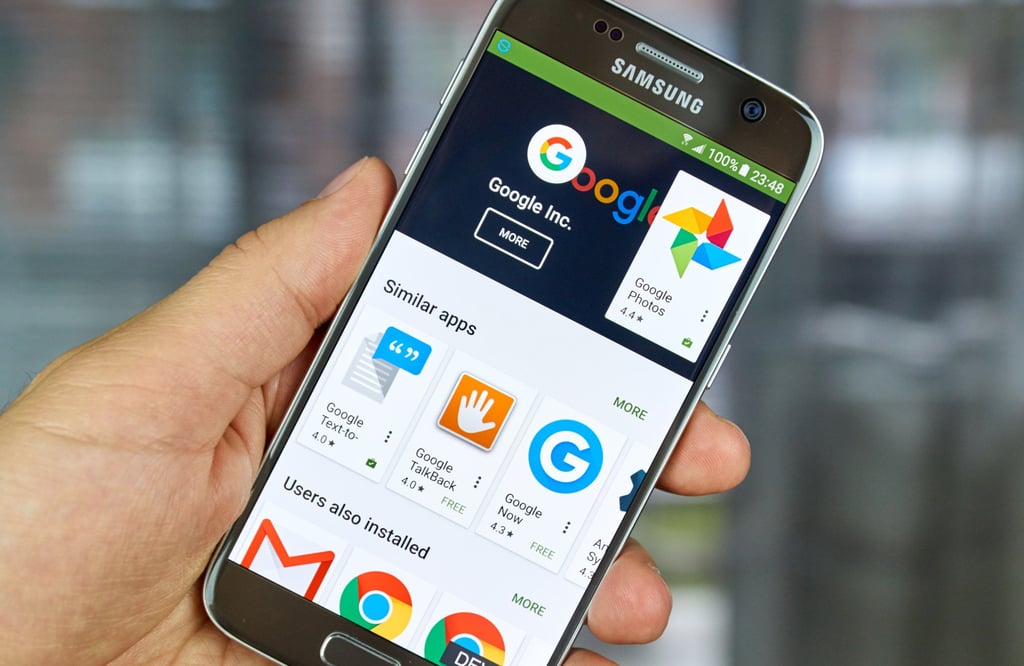
Google has blocked hundreds of apps from its Android store to protect borrowers from ‘deceptive and exploitative terms’. Photo: Shutterstock
A growing chorus of technology companies and regulators have cracked down. Globally, Google has blocked hundreds of apps from its Android store to protect borrowers from “deceptive and exploitative terms”. Officials in China, Indonesia and Kenya followed suit, shutting down scores of start-ups promising easy cash to the unbanked.
Advertisement

India, which has among the highest number of such apps in the world, has also taken action. The Reserve Bank of India raised the prospect in November of new rules for digital lenders. A panel set up by the bank found that more than half of about 1,100 digital loan providers were operating illegally.

But protecting borrowers in India is especially tricky, given the country’s dated personal bankruptcy laws and sheer size – more than 1 billion people do not have access to formal credit. And while complaints about harassment by digital lenders extend far beyond its borders, India’s ambition to become a haven for tech innovation combined with a Byzantine bureaucracy make sweeping regulatory intervention difficult.

Advertisement
Advertisement
Select Voice
Choose your listening speed
Get through articles 2x faster
1.25x
250 WPM
Slow
Average
Fast
1.25x