India heatwave sparks blackouts, questions on coal usage
- Supplies of coal at many thermal power plants are running low, spawning daily power outages, sparking scrutiny of India’s reliance on coal for its electricity
- India recorded its hottest March since 1901, and average temperatures in April in northern and central pockets of the country were the highest in 122 years

Supplies of coal at many thermal power plants are running perilously low, spawning daily power outages in several states. The shortages are sparking scrutiny of India’s long reliance on coal, which produces 70 per cent of the country’s electricity.
The situation highlights India’s pressing need to diversify its energy sources, as demand for electricity is expected to increase more than anywhere else in the world over the next 20 years as the densely populated country develops, according to the International Energy Agency.
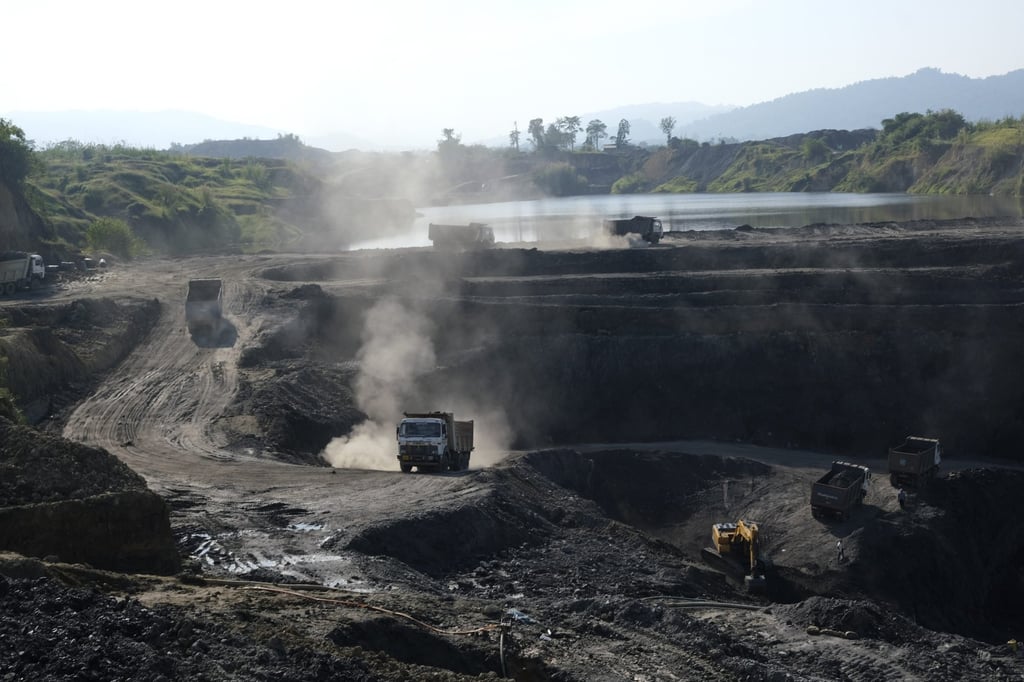
The shortages hit as blisteringly high temperatures are sweeping parts of the country, prompting authorities to close schools, sparking fires at gigantic landfills and shrivelling crops as a cool spring turned suddenly into unrelenting heat.
India recorded its hottest March since 1901, and average temperatures in April in northern and central pockets of the country were the highest in 122 years, the Indian Meteorological Department said. Temperatures breached 45 degrees Celsius (113 degrees Fahrenheit) in 10 cities last week, although cloudy skies and rain could bring some relief soon.
Current power cuts are hurting economic activity, which had been rebounding after pandemic shutdowns, and could disrupt essential services such as hospitals, experts warn. Many states including Uttar Pradesh, Punjab, Haryana and Rajasthan are experiencing blackouts of up to seven hours.