Advertisement
India’s anti-gay stigma drives its monkeypox cases underground
- Monkeypox infections are currently occurring mostly via sexual networks, making contact tracing a sensitive issue where homophobia is rife
- Health experts have warned against mislabelling monkeypox as a ‘gay disease’, comparing it to the demonisation of LGBT people for HIV/Aids
3-MIN READ3-MIN

About two months before India officially reported its first cases of monkeypox, Mumbai doctor Ishwar Gilada urged two of his patients to get tested. Both – a gay man and a male who identifies as bisexual – refused, even though their sexual partners caught the disease.
Gilada, who opened India’s first Aids clinic in 1986, understood the challenges that lie ahead. In parts of the world where LGBT people face stigma and bias, patients are reluctant to seek testing or treatment for a disease that has recently afflicted gay and bisexual men. They didn’t want to be the first monkeypox cases in India, Gilada recalled. “They are going underground.”
Since May, the disease has afflicted more than 28,000 people, and while it can spread through all kinds of close contact, among the cases in the United States for which detailed epidemiological information is available, 94 per cent reported male-to-male sexual or close intimate contact during the three weeks before symptoms appeared, the Centres for Disease Control and Prevention reported on Friday. India’s official tally stands at nine cases, according to global.health.
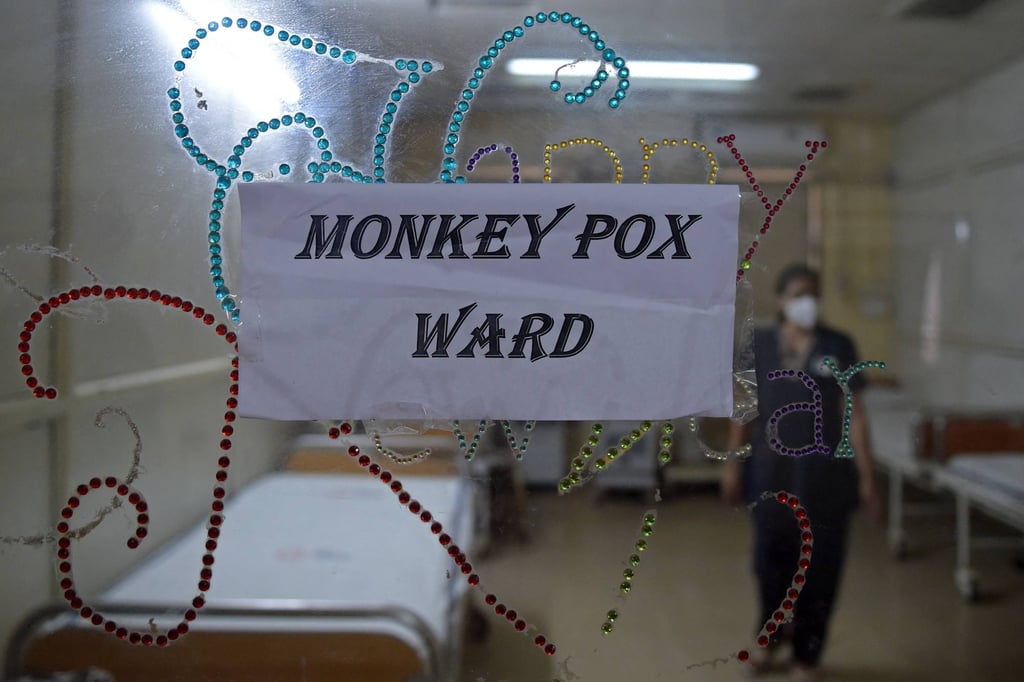
In countries where homophobia and life-threatening discrimination is rife, many people may not seek help, World Health Organization Director General Tedros Adhanom Ghebreyesus has warned, “making the outbreak much harder to track, and to stop”.
Advertisement
In India, stigma remains a pervasive social barrier. The country decriminalised homosexuality in 2018. That same year, a survey of 290 students attending Calcutta National Medical College in Kolkata found that, although overall attitudes toward homosexuality were positive, 16 per cent believed that homosexuality was an illness and 27 per cent saw it as an “acquired behaviour”.
That may have been a consideration for a 22-year-old man who tested positive for monkeypox in the United Arab Emirates in mid-July, days before returning home to India where he experienced fever and swollen lymph glands. He was hospitalised in Thrissur, a city in the south Indian state of Kerala, and developed brain-swelling and required breathing support before he died. He was already in critical condition when the patient’s relatives told hospital staff about his monkeypox diagnosis.
Priya Abraham, director of India’s National Institute of Virology, said that the patient’s prior health has to be investigated and other causes of death ruled out before the case can be considered a monkeypox fatality.
Advertisement
Advertisement
Select Voice
Select Speed
1.00x