Pakistan’s politics seen key to deliver on new IMF aid programme
- The government’s ability to stay on track with reforms will be tested ahead of a coming national election that will need to go smoothly, analysts caution
- The fresh IMF support can assuage concerns about Pakistan’s ability to keep making payments and help other investors re-engage with the country

The political situation has been volatile in recent weeks, adding to more than a year of upheavals since the ouster of former prime minister Imran Khan in April 2022. Violence erupted across the country in May after the arrest of Khan, who has been facing more than 100 cases ranging from corruption to murder in various courts.
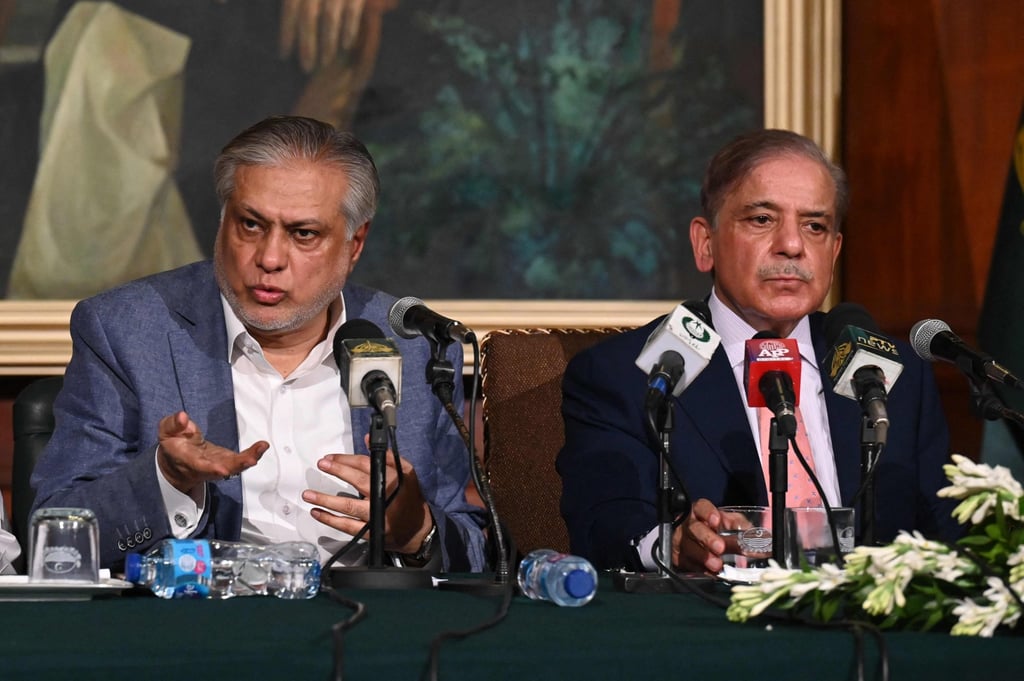
As recently as last August, Islamabad had won IMF staff approval for a US$1.1 billion loan, only to have the bailout programme halted over failure to meet some conditions. Prime Minister Shehbaz Sharif was able to close a new deal after multiple hour-long phone calls and several meetings with IMF Managing Director Kristalina Georgieva.
“Under duress, the government has shown reforms can be initiated – now the question is whether they will stay on track and continue to systematically work through” the issues, Aqeel said.
The nine-month, so-called standby arrangement reached on Thursday will need approval by the IMF executive board, with a vote expected in mid-July.
With some US$23 billion of external debt obligations coming due in the financial year starting July – more than six times the nation’s foreign-exchange reserves – the fresh IMF support can assuage concerns about Pakistan’s ability to keep making payments.

02:24
Pakistan hit by cost-of-living crisis as inflation skyrockets to nearly 40% year-on-year