Two years after super typhoon Haiyan battered Philippines, major reconstruction continues but thousands remain homeless
More than 7,350 people were killed or left missing after Super Typhoon Haiyan struck the Philippines on November 8, 2013, with the strongest winds ever recorded on land.

Two years after a super typhoon devastated the Philippines and sounded a global alarm on climate change, a massive rebuilding programme has had big successes but at least one million survivors are still without safe homes.
In Tacloban, a major coastal city that was nearly completely destroyed and where thousands died, restaurants and shops are bustling again – showcasing the best of a remarkable resurrection for many communities. But on the city’s outskirts and elsewhere, many people endure deep poverty as they live in flimsy new homes that make them extremely vulnerable to future storms that will inevitably whip in off the Pacific Ocean.
More than 7,350 people were killed or left missing after Super Typhoon Haiyan struck the Philippines on November 8, 2013, with the strongest winds ever recorded on land.
Tsunami-like storm surges higher than trees exacerbated the disaster, demolishing communities on central Philippine islands that were already among the nation’s poorest.
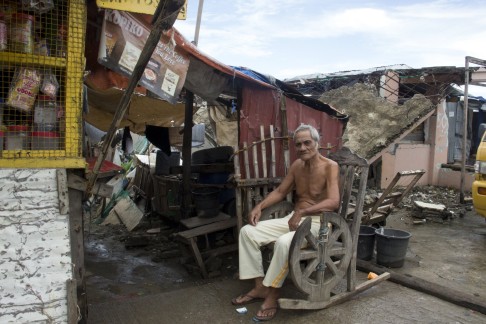
“I cry almost every night. Jesus, Mary and Joseph, how are we going to survive,” Esliba Bascal, 59, who lost her son and home in the disaster and now lives in a makeshift dwelling just outside Tacloban, said last week.