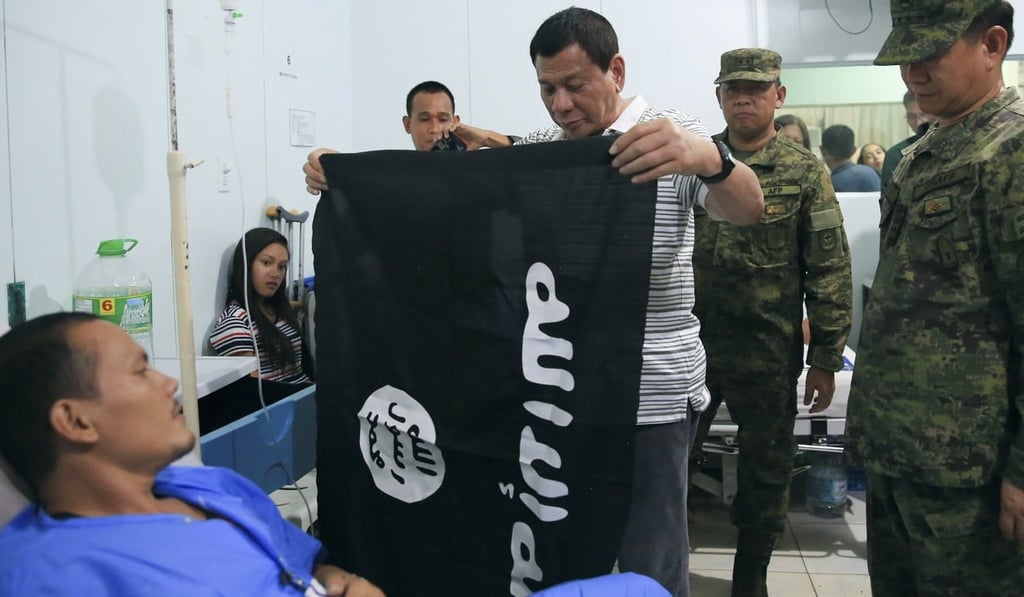
Islamic State galvanised in Asia by Philippine city siege, report claims

The attack by Islamic State-linked militants on a Philippine city has galvanised its Southeast Asian supporters and spells trouble for the region, a top terrorism researcher said on Friday as the occupation of Marawi nears two months despite a sustained military offensive.
In a new report, Sidney Jones, an expert on militant networks in Southeast Asia at the Jakarta-based Institute for Policy Analysis of Conflict, said there now may be a higher risk of attacks in other Philippine cities and cooperation between militants across regional borders could expand. Militants in Indonesia and Malaysia will want to redouble efforts to attack police and may also lift their sights to targeting foreigners, she said.
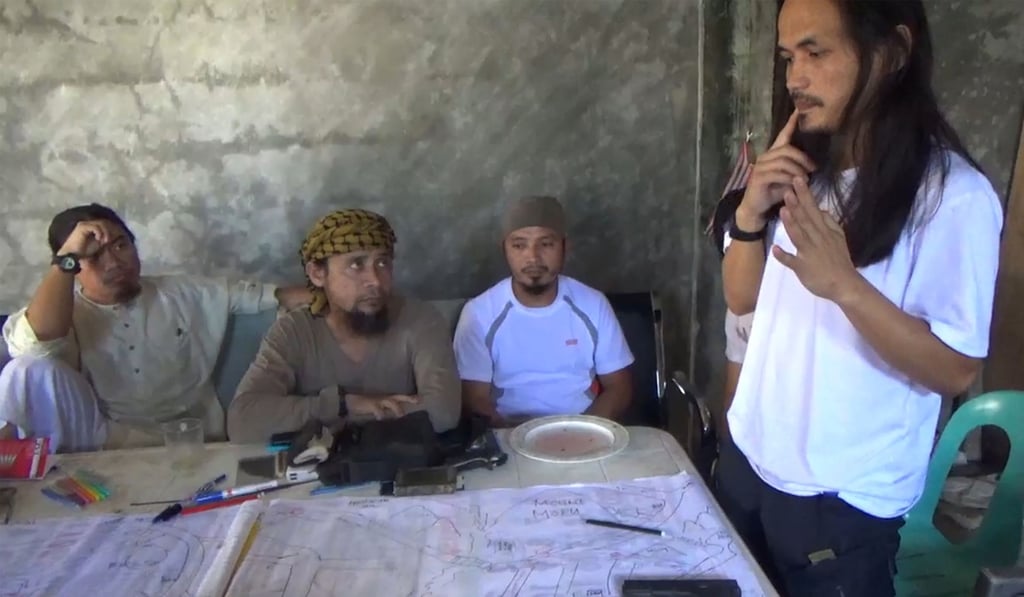
“The initial photographs from Marawi released over social media as the IS assault began – smiling fighters hold guns aloft on trucks – seemed to have the same impact as the iconic IS victory photos from Mosul in 2014,” Jones said, referring to its past occupation of Iraq’s second-largest city. “They generated a shared sense of triumph and strengthened the desire of IS supporters in the region to join the battle.”
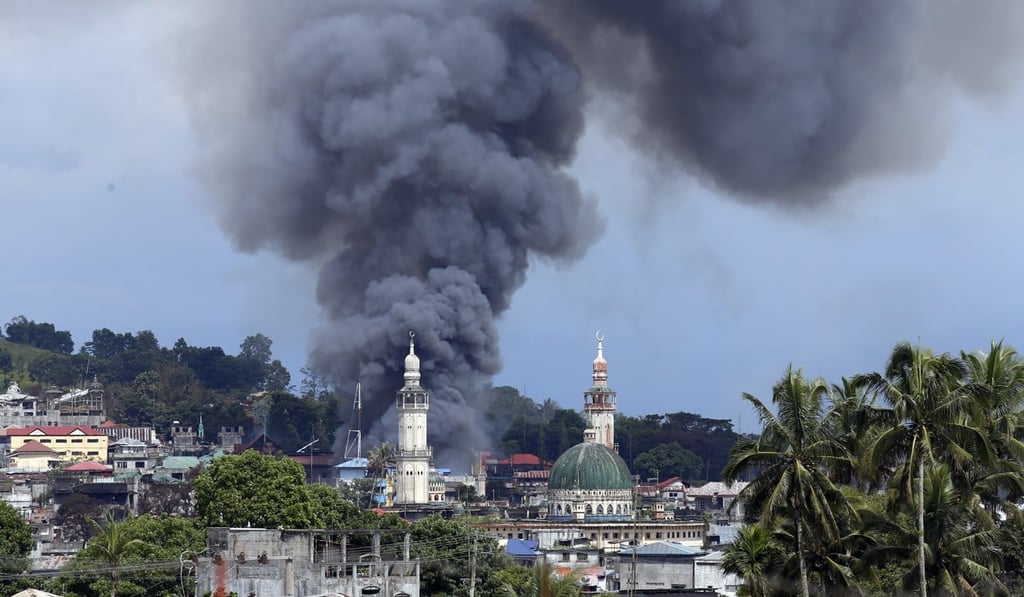
Waving IS-style black flags, the heavily-armed fighters stormed into Marawi, a centre of Islamic faith in the south of the predominantly Roman Catholic Philippines, on May 23, occupying buildings, houses and mosques and taking hostages. Foreign fighters, including 20 Indonesians, joined the insurrection, which officials and researchers said received funding locally and from IS in Syria that was coordinated by a Malaysian known as Mahmud bin Ahmad.