Analysis Singapore Strait: US destroyer was struck in some of the world's busiest waters
The waters outside Singapore are particularly dense and hard to navigate, with a constant stream of ships

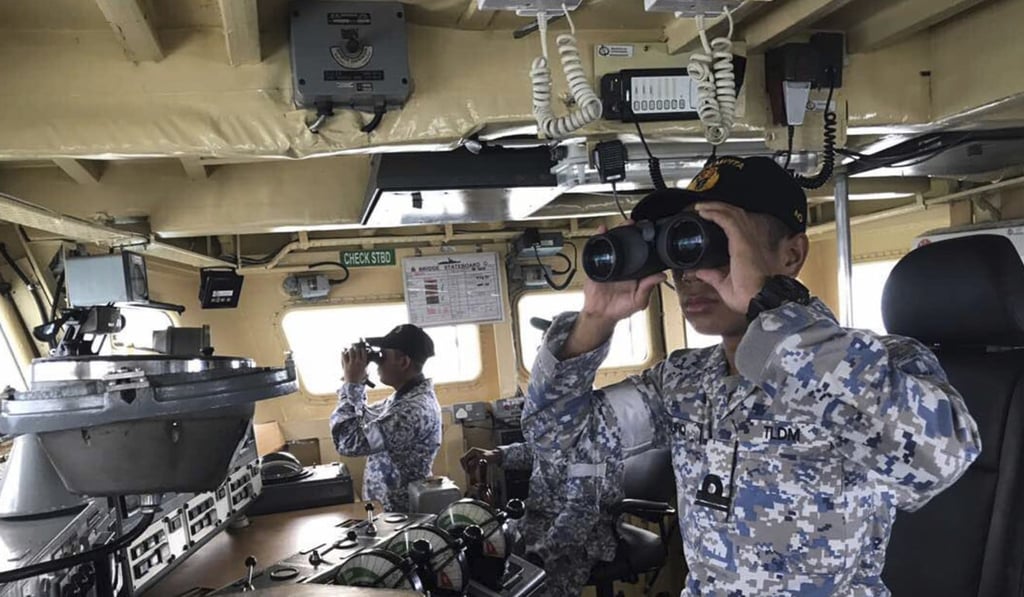
After the USS Fitzgerald collided with a giant container ship in mid-June, killing seven sailors, Admiral William F. Moran, vice chief of naval operations, said that the US Navy crew’s lack of preparedness was partly to blame.
“Clearly at some point, the bridge team lost situational awareness,” Moran said.
Two months later, another destroyer from the same fleet has collided with an oil tanker and 10 of its crew are still missing. The USS John S. McCain suffered significant damage to its hull, which flooded nearby compartments, including crew berthing, machinery and communications rooms, the 7th Fleet said in a statement.
Divers searching for the missing sailors have found human remains, the commander of the US Pacific Fleet said on Tuesday. “The divers were able to locate some remains in those sealed compartments during their search today,” Admiral Scott Swift told reporters, referring to a search by divers of compartments of the damaged warship.
The waters where the latest incident took place – the Singapore Strait, a 16-kilometre-wide maritime gantlet brimming with ships moving between the Indian Ocean and South China Sea – demand heightened precaution. If there is a systemic lack of preparedness in the fleet, then crossing through these waters, however peaceful, represent one of its biggest risks.