Indonesian pangolin, a prized delicacy in China, faces extinction due to trafficking
More than 35,000 pangolins were seized by Indonesian authorities between 2010 and 2015, exposing the scale of the illegal business, according to study by wildlife trade monitoring group Traffic

Pangolins in Indonesia are at risk of extinction because of an illicit trade that sees thousands of the critically endangered animals trafficked each year, a study showed Thursday.
More than 35,000 pangolins – docile, ant-eating mammals with a thick armour – were seized by Indonesian authorities between 2010 and 2015, exposing the scale of the illegal business, the study by wildlife trade monitoring group Traffic said.
Indigenous to parts of Southeast Asia and Africa, the pangolin is prized as an edible delicacy and ingredient in traditional medicine, especially in China and Vietnam, and is the world’s most trafficked mammal.
Rampant poaching is putting Indonesia’s indigenous manis javanica species at an “extremely high risk of extinction”, the group said.
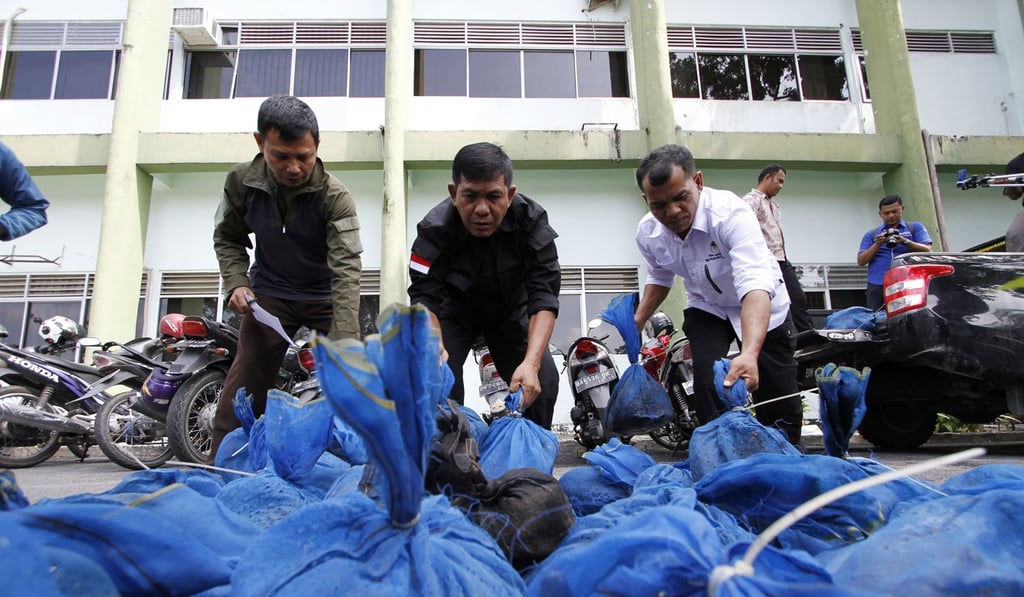
“Indonesia’s wildlife is being drained on an industrial scale to feed the global illegal trade,” Kanitha Krishnasamy, acting regional director for Southeast Asia, said in a statement.
“While the relatively high number of seizures speaks to Indonesia’s commitment in tackling the problem, it also highlights the relentless poaching.”