Muddy floating island being turned into new home for Rohingya refugees in Bangladesh
Prime minister said putting people on the low-lying island would be a ‘temporary arrangement’ to ease congestion at the camps in Cox’s Bazar

Bangladesh is racing to turn an uninhabited and muddy Bay of Bengal island into home for 100,000 Rohingya Muslims who have fled a military crackdown in Myanmar, amid conflicting signals from top Bangladeshi officials about whether the refugees would end up being stranded there.
However, one of her advisers told Reuters that, once there, they would only be able to leave the island if they wanted to go back to Myanmar or were selected for asylum by a third country.
“It’s not a concentration camp, but there may be some restrictions. We are not giving them a Bangladeshi passport or ID card,” said H.T. Imam, adding that the island would have a police encampment with 40-50 armed personnel.
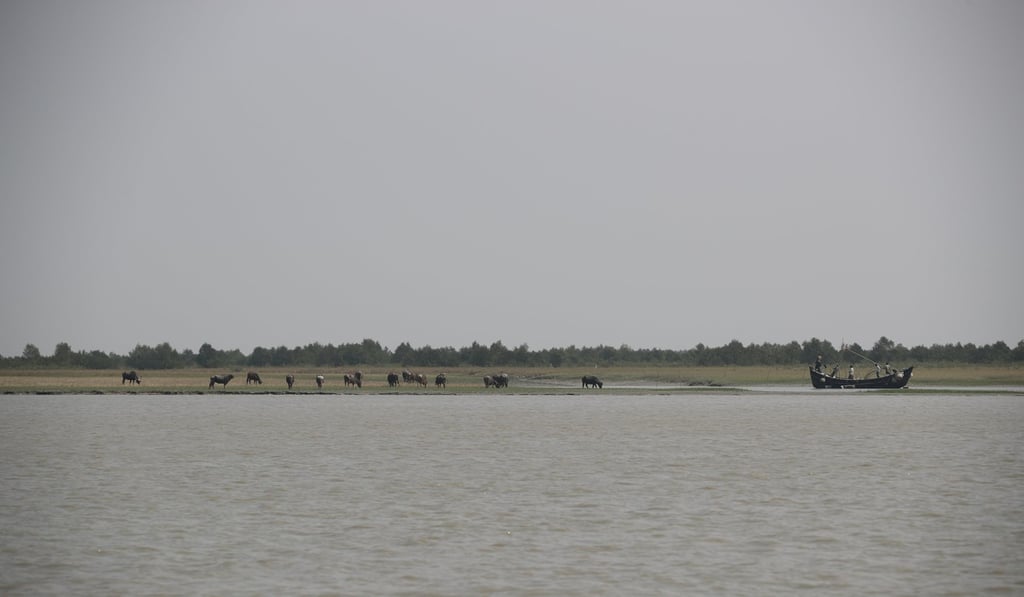
Hasina’s adviser, Imam, said the question of selecting Rohingya in Cox’s Bazar to move to the island was not finalised, but it could be decided by lottery or on a volunteer basis.
The United Nations High Commissioner for Refugees said in a statement: “We would emphasise that any relocation plan involving refugees would need to be based on and implemented through voluntary and informed decisions.”