Lombok faces slow and painful rebuilding process after deadly earthquakes decimate tourism industry
Indonesia’s tourism sector has been robust in the face of major crises before, including natural disasters like the 2004 tsunami and terror attacks such as the 2002 Bali bombings

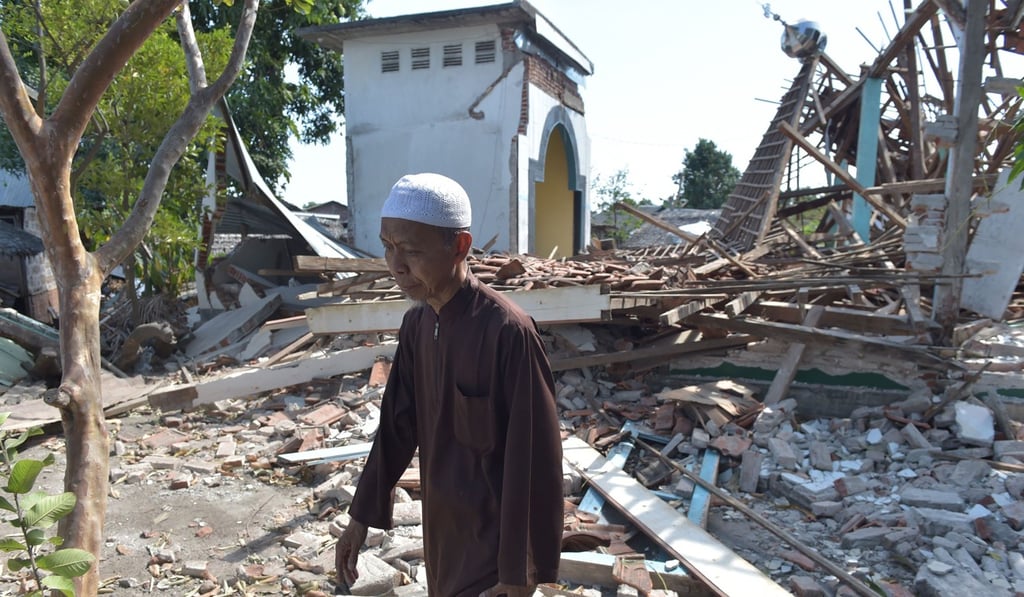
The powerful earthquakes that struck the Indonesian island of Lombok in recent weeks killing some 400 people have sent holidaymakers fleeing, raising questions about how its lucrative tourism sector will bounce back.
Two deadly tremors a week apart – accompanied by dozens of aftershocks – wrought widespread damage on homes and livelihoods, striking during the crucial tourism season, when hotels, local businesses and seasonal workers earn the bulk of their annual revenue.
In the Gili Islands, a popular backpacker and diving destination just off Lombok’s northern coast, thousands of terrified tourists jostled on powder-white beaches for departing boats.
Lombok’s airport was briefly crammed with holidaymakers rushing to get flights out, while the main tourist drag of Senggigi has been left deserted.
Alfan Hasandi depended on peak season tourists to see his family through the rest of the year. He and his brothers ran a now shuttered business on one of the islands, Gili Air, offering boat tickets, snorkelling, trekking and vehicle rentals, usually earning 5 million rupiah (US$350) a day during peak season.