India study: greenhouse gases from rice paddies may be two times higher than thought
Amount of unaccounted-for N2O global emissions from rice may be as high as the annual climate pollution from about 200 coal power plants

The way some irrigated rice paddies are managed worldwide, with cycles of flooding followed by dry periods, may lead to twice the planet-warming greenhouse gas pollution as previously thought, according to researchers.
Since rice is a major staple for at least half the world’s seven billion people, the way it is managed has significant effects on the Earth’s warming climate, said a report in the Proceedings of the National Academy of Sciences, a peer-reviewed US journal.
For the study, researchers at the non-profit Environmental Defence Fund (EDF) took a closer look at emissions of nitrous oxide, a long-lasting atmospheric pollutant that is more potent than methane or carbon dioxide.
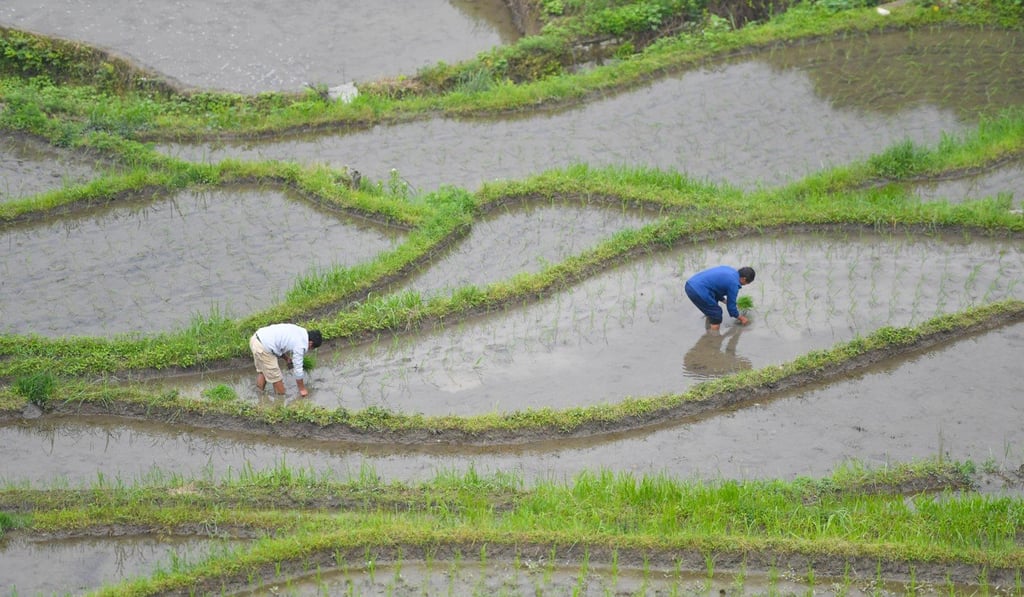
N2O rises when rice fields are allowed to dry before being wetted again.
This process, called intermittent flooding, happens when water falls below the soil level several times per year.