Malaysia plans to reduce inequality, even at the cost of slower growth
The Pakatan Harapan government’s 11th Malaysia Plan is focused on pushing for inclusive growth, boosting productivity and accelerating innovation – even if it means a wider budget deficit

In reviewing the 11th Malaysia Plan, the Economic Affairs Ministry pointed to how a comparison of the country’s 13 states and three federal territories showed higher incidences of poverty in some areas, in spite of the previous government’s promises that the establishment of regional economic corridors would spur growth.
The East Malaysian state of Sabah had a GDP per capita of 22,098 ringgit (US$5308) while the northern region of peninsula Malaysia recorded GDP per capita of 29,725 ringgit.
The national average two years ago was 38,915 ringgit. The poverty rate in Sabah was 2.9 per cent at the time, compared to the national average of 0.4 per cent.
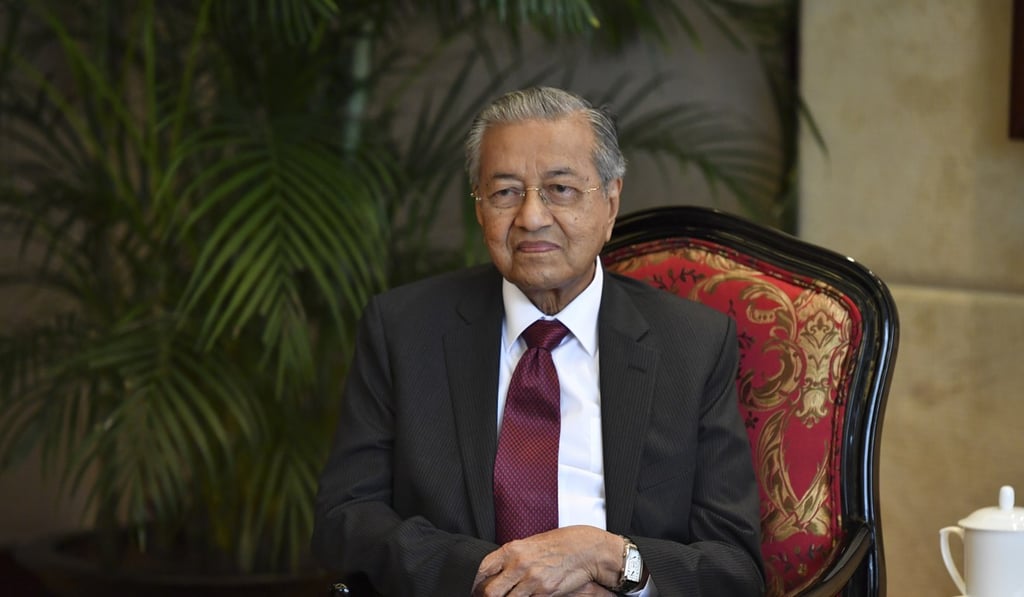
Pakatan Harapan came into power in May this year, toppling the Barisan Nasional coalition that had ruled for more than six decades.
Led by 93-year-old former premier Mahathir Mohamad, who jumped ship to join the opposition and execute his political comeback, the new administration swiftly set about stamping out corruption and pledged institutional reforms.