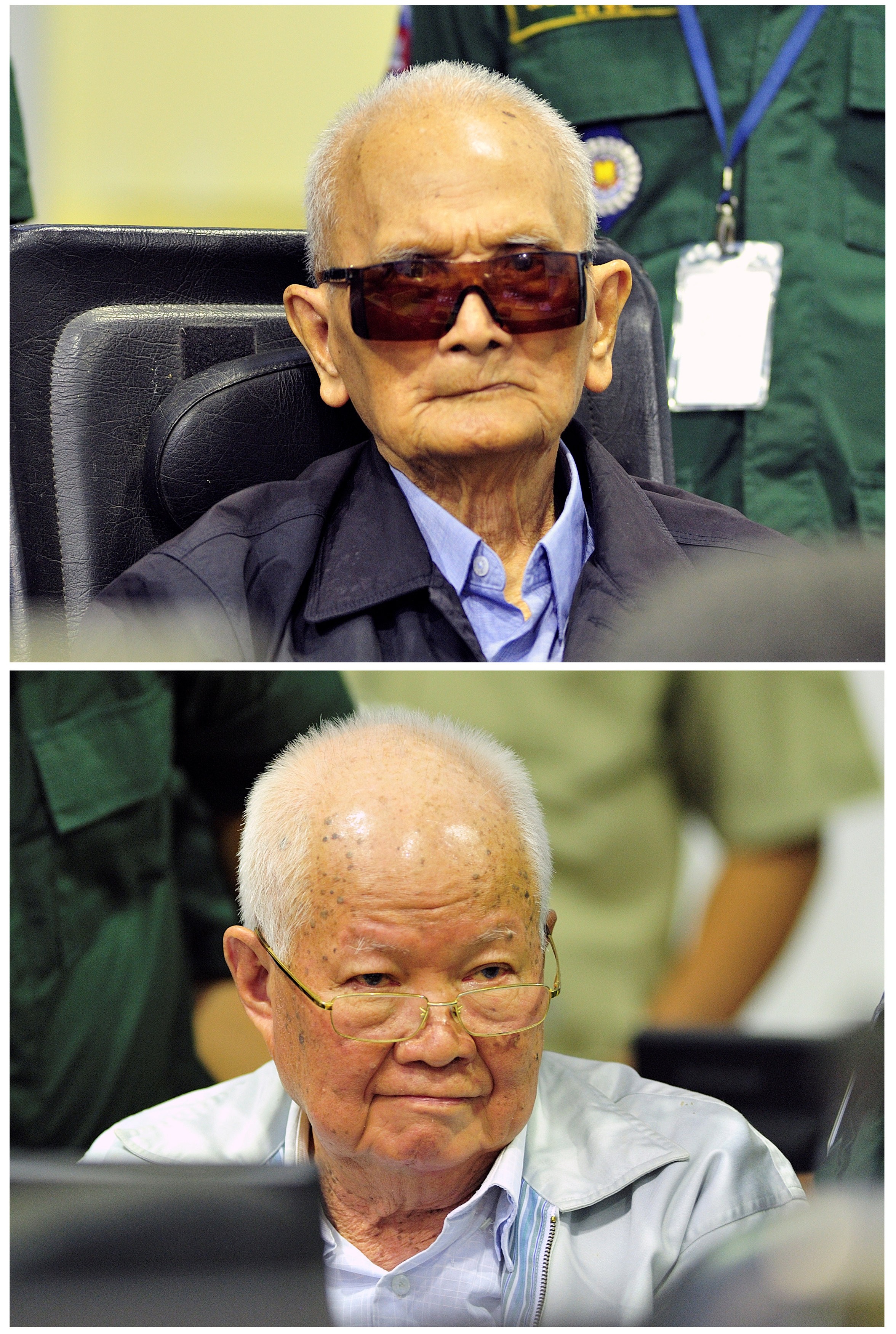
Was Cambodia’s US$300 million Khmer Rouge tribunal worth it?
- After nine years, the UN-assisted tribunal has convicted just three people for the communist group’s killing of 1.7 million people
- Critics say it did not accomplish any of the established goals of reconciliation, symbolic justice and combating impunity
- But some say the court has made a huge contribution to helping the world and Cambodians better understand what occurred during the regime

Was it worth it?
These kinds of proceedings do not run cheap. The longer-running tribunals covering genocide in Rwanda and war crimes in the former Yugoslavia ran up costs of as much as US$2 billion – though both tried many more people than were called to account in Cambodia for crimes committed during the 1975-79 regime of the late Khmer Rouge leader Pol Pot.
Justice is the primary goal. But international tribunals, trying people accused of crimes on a national scale, also serve to promote human rights and establish a historical record, among other targets.
Even the most bullish observers acknowledge the shortcomings of the Cambodian tribunal, officially called the Extraordinary Chambers in the Courts of Cambodia, or ECCC. The rules hammered out in extensive negotiations between the UN and the Cambodian government hobbled its proceedings in ways that were not always foreseeable.