Why some members of Singapore’s LGBT community prefer life in the shadows
- Public opinion and colonial-era laws prevent some from broadcasting their sexuality. The potential for backlash against activism is also a concern.

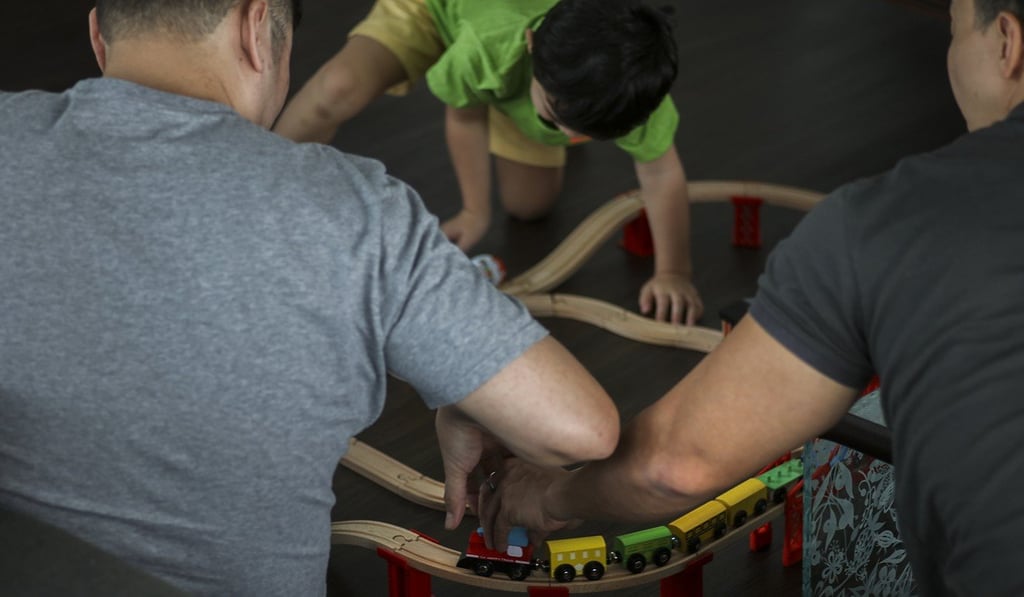
When news broke in December that Singapore’s High Court had allowed a gay couple to adopt their son conceived through a surrogate in the United States, it was not met with cheers by all of the city state’s LGBT community.
So Joanna, a 38-year-old who works in sales and is married to a woman, was worried the landmark ruling could fuel a backlash from conservative Singaporeans.
“We feel that the louder you are, the more attention you’re drawing to [LGBT rights] and that actually prompts the public to be a little more aggressive in shooting it down,” she said.
Joanna, whose wife Casey is a 33-year-old civil servant, said she was not convinced “shining the spotlight” on LGBT issues was the best way to ensure equal rights. She referred to last year’s debate on repealing Section 377A of the Penal Code, which criminalises sex between men but is not actively enforced. She said she believed the government, which is now conducting a review of the Penal Code, would have found it easier to scrap the law if activists had not drawn the attention of conservatives and religious groups to it.