Shinawatra proxies set their sights on Thailand’s economy after failed bid to enlist Princess Ubolratana
- Thaksin’s alliance with the princess appeared designed to challenge junta chief Prayuth Chan-ocha
- The move has backfired: the king blocked her candidacy and Thaksin’s opponents are energised

“No matter what happens to other parties, our goal is to win this election for a chance to form the government that can solve these problems,” Kittirat said in an interview on Monday, citing a growing wealth disparity, falling crop prices and fiscal mismanagement. “People across Thailand have been feeling the effect of a bad economy. We need a total economic overhaul to take the economy out of the critical stage it’s in.”
Thaksin’s camp is seeking to rally poorer voters who have helped his allies win every election in Thailand since 2001, drawn by policies such as cheap health care and crop price support. Still, they face an uphill battle to take power after the junta that ousted Thaksin’s sister Yingluck Shinawatra in 2014 changed the constitution to include a military-appointed Senate that also gets a vote in picking the prime minister.
Thaksin’s alliance with the princess appeared aimed at putting up a leader who could take votes in the Senate away from junta chief Prayuth Chan-ocha, the coup leader who is seeking to stay on as prime minister after the election. But the move seemed to backfire: the king rejected her candidacy, and Thaksin’s opponents became energised.
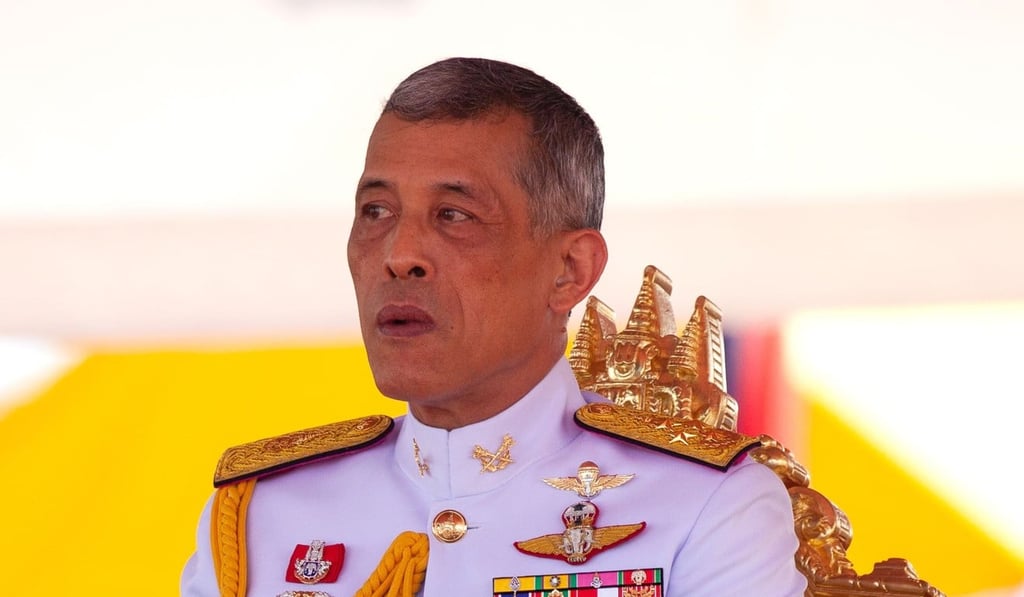
The move also ignited political rumours in Thailand, where the monarchy is officially treated with semi-divine status and the royal family is shielded from criticism by some of the world’s strictest lèse-majesté laws. The hashtag #Coup2019 was trending on Thai-language Twitter earlier in the week as speculation grew that some generals may seek to further delay the election.
“This reflects the very same political divide that has been in Thailand over the past decade,” said Titipol Phakdeewanich, political science professor at Ubon Ratchathani University in northeastern Thailand. “It’s the anti-Thaksin versus pro-Thaksin – the reactions that we see from the people this week show that the divide is alive and well.”