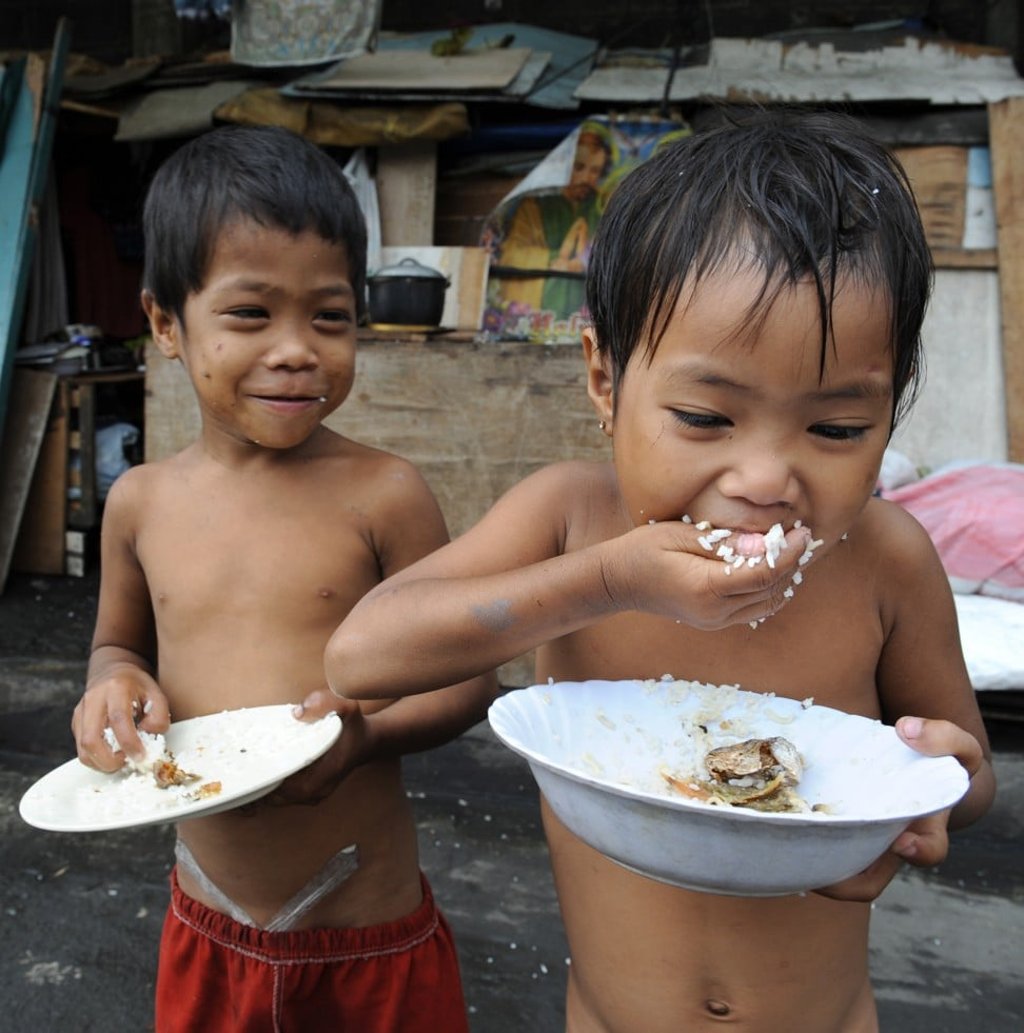
In the Philippines, importing rice has long been controversial but food shortages may force the government’s hand
- Resistance to buying rice abroad has eased in recent months, following a bout of severe inflation
- The Philippines is the world’s second-largest importer of rice after China

But rice growers like Efraen Serrano know that dream is falling further out of reach. The country’s geography doesn’t provide enough suitable land for the crop as the population swells. Urbanisation and the pull to work in cities have reduced the number of farmers.
“More farms are being converted to factories and homes,” said Serrano, who farms a five-acre family plot in Bulacan, a quickly urbanising province north of Manila. “Nobody wants to buy land and use it to farm.”
The 66-year-old has become resigned to the fact less and less of the rice Filipinos eat will be grown by farmers like him.
“Imports are a necessity,” he said.
In the clearest sign yet he is right, the country has ended a two-decades-old cap on private-sector imports of the grain. The move marks a radical change for a nation whose obsession with rice is ordinarily matched by its protection of domestic producers.