Asia’s budget airlines struggling to get rapidly expanding fleets into the air amid worsening pilot shortage
- In Southeast Asia alone, low cost carriers have about 1,400 aircraft on order, compared with fewer than 400 for full-service carriers
- But the number of pilots is lagging behind, leaving the airlines struggling to fill their cockpit crews

An unprecedented travel boom in Asia has spawned new budget carriers and millions of first-time fliers, but a shortage of pilots is threatening to choke that demand.
Bamboo Airways in Vietnam was the latest low-cost carrier to start services this year and more are expected to join the race. In Southeast Asia alone, LCCs have about 1,400 aircraft on order, compared with fewer than 400 for full-service carriers, according to CAPA Centre for Aviation. With the supply of pilots lagging behind, the airlines will struggle to find skilled cockpit crew.
“There’s a real crunch coming,” Peter Harbison, executive chairman of Sydney-based CAPA said in Singapore. “For new airlines, it’s much, much harder and it’s going to be a real struggle.”
Global traffic is set to double in the next two decades with the biggest increase expected in the Asia-Pacific region, where almost 4 billion passenger journeys are expected, according to the International Air Transport Association. Boeing forecasts the region needs 16,930 new planes and about 261,000 pilots through 2037. That means the current fleets and the number of pilots will need to double during that period, according to the planemaker.
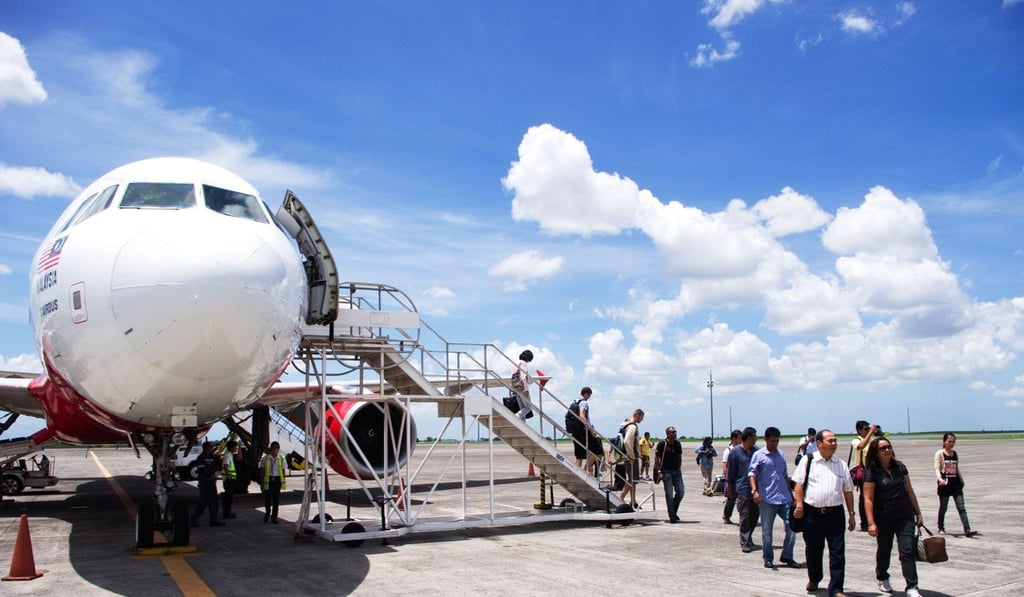
The strain is already showing. IndiGo, Asia’s biggest budget carrier by market value, last month decided to scrap dozens of flights every day through March after many of its pilots exhausted their annual limit on flying hours. Taiwan’s China Airlines averted a crisis this month by agreeing to improve working conditions at an annual cost of almost US$4 million after the pilots union, citing fatigue among other complaints, went on a seven-day strike.
The supply-demand dynamics are coming into play. You are seeing the system respond
Even some outside Asia are running into problems: Emirates, the world’s biggest long-haul airline, said in April that a shortage of pilots forced it to cut flights.