Social media: Asia’s new battleground between youth movements and state control of fake news
- Young people across Southeast Asia are leading the charge to bring about political change using social media
- But rising control of the internet by regional powers, through moves such as anti-fake news and cybercrime laws, are affecting the ability of such movements to flourish

Both civil society groups and political parties are increasingly “using new techniques to engage”, with young people – particularly those from societies where they make up a large portion of the electorate and have easy access to social media – leading the charge, said Bridget Welsh, Associate Professor of Political Science at John Cabot University in Rome.
“This contentious arena is one that is constantly being renegotiated and fought in different ways,” said Welsh, speaking from the 33rd Asia Pacific Roundtable organised by Malaysia’s Institute for Strategic and International Studies (ISIS), an annual conference which brings together policymakers, scholars and opinion leaders to discuss key regional issues.
As states attempt to wrest control of the internet and social media, whether youth online movements can translate into real change is still unclear, said Pandit Chanrochanakit of Chulanglongkorn University’s Department of Government.
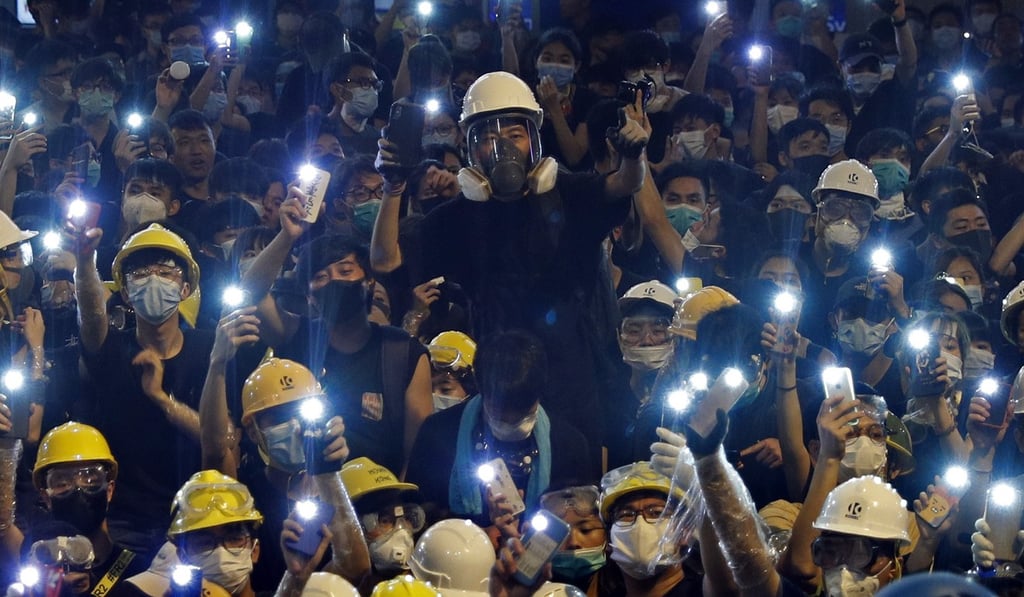
“There are spaces that younger people can find and use to exercise their will in politics. This is a crucial moment for them to try hard to express their voice, and [discover] what this could mean for society,” Pandit said.