Widodo warned to tread carefully with harder line against Indonesia’s Islamists
- Institute for Policy Analysis of Conflict says government’s efforts to curb hate speech could further inflame religious and political tensions
- Think tank’s warning follows riots in May over disputed elections in which challenger backed by Islamist groups failed to topple president

The Institute for Policy Analysis of Conflict (IPAC) released a study examining how police have come to see radical Islam as one of the biggest security threats facing the country. The policy has led to greater scrutiny of social media and tighter controls on street rallies as part of efforts by authorities to portray those trumpeting political Islam as one step away from violent extremists.
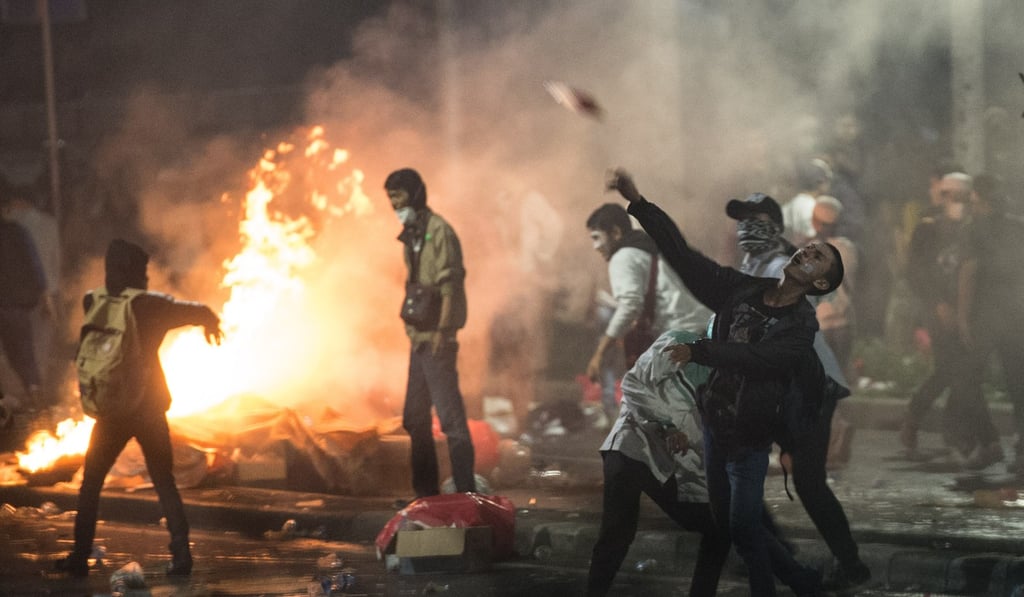
IPAC urged caution in the government’s efforts to curb hate speech, saying they could further inflame religious and political antagonism and be perceived as an attack on freedom of expression.
“He [Widodo] can do that by ensuring there are clear criteria for curbing hateful or demeaning expressions on social media, that defamation laws are not used to arrest individuals for casual criticism of public officials, and that there is a clear distinction made between incitement and legitimate dissent,” the report said.